Connected fulfilment gives football retailer resilience under extreme demand
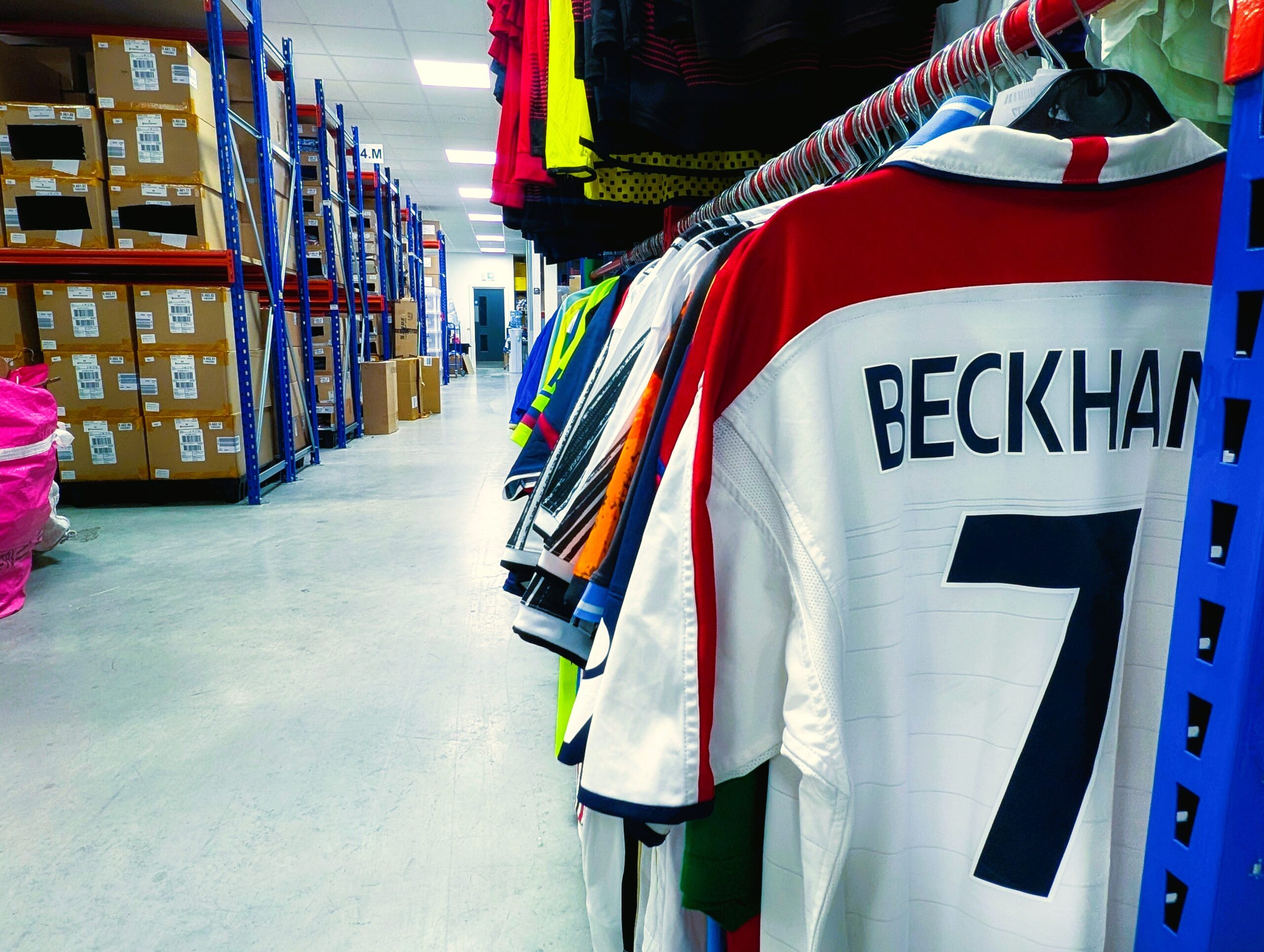
Sudden demand peaks are a practical test of industrial resilience. For Classic Football Shirts, the latest football World Cup pushed June and July dispatches 101% above the equivalent period in 2025, creating the busiest trading window in the company’s 20-year history.
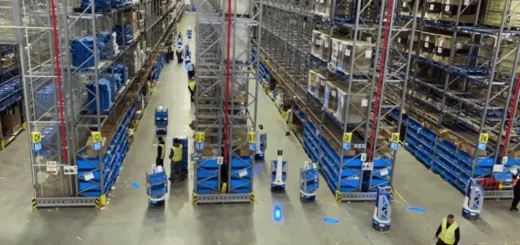
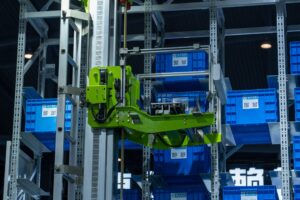
The retailer’s response combined digital shipping orchestration with a physical automation step. Shipster integrated its multi-carrier platform with a Logopak/Adpak Ecommerce Auto Bagger, allowing shipment and label data to flow directly to the packing equipment. Eligible orders are packed and labelled automatically, reducing the task from minutes to seconds.
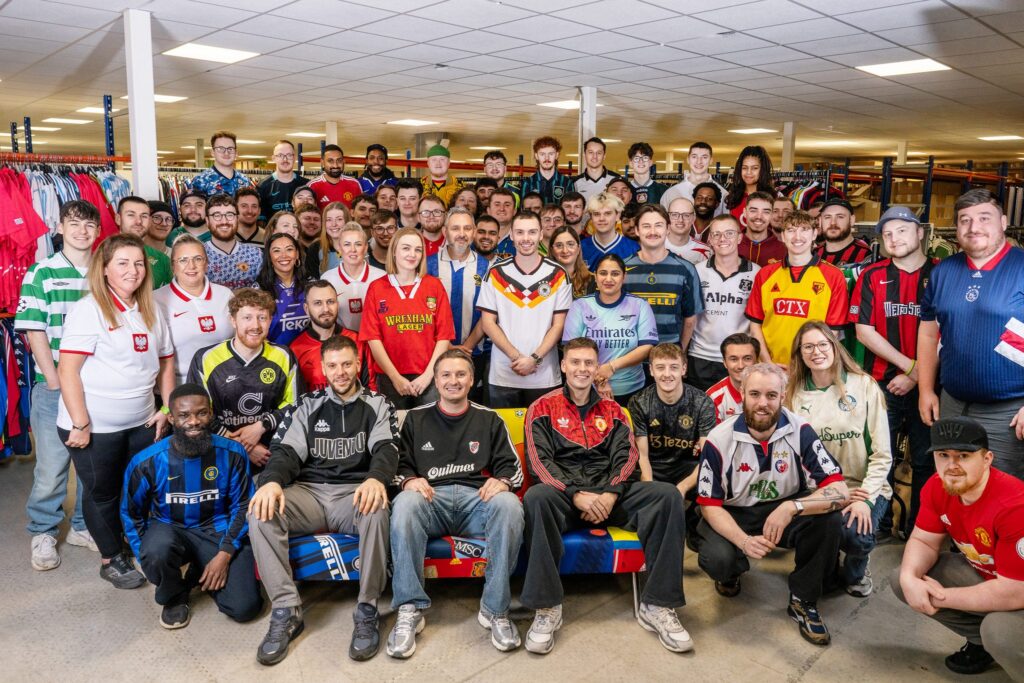
Automation supports people rather than isolating the process
The machine packed 64% of all orders during the tournament. That capacity helped CFS exceed its previous high, recorded during Black Friday and Christmas trading, while warehouse employees continued to manage exceptions and the broader operation. Over five years, warehouse productivity has more than tripled through the relationship with Shipster.
This is a relevant Industry 5.0 pattern: the value lies not in a standalone machine, but in the connection between software, equipment, people and carrier networks. CFS handles more than one million authenticated shirts and memorabilia items and delivers to customers in over 130 countries. A system that can route and label orders accurately is therefore as important as the packing mechanism itself.
Resilience also has a commercial dimension
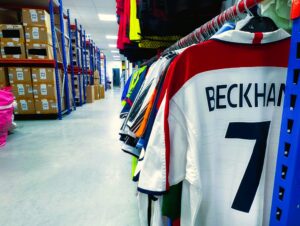
The peak was not uniform. Away Days Mystery Boxes generated 23,830 orders between May and August, including almost 10,000 England boxes. Argentina shirts were among the strongest national-team sellers, while Cape Verde saw unexpected demand after its match against Spain. Such changes demonstrate why peak planning must accommodate product-level volatility rather than only total volume.
Founded by Matt Dale and Douglas Bierton in 2006, Classic Football Shirts has grown from a student-house start-up into a business with customers in more than 130 countries and annual revenue above £30 million. Its World Cup result shows how integrated automation can provide scalable capacity without requiring a permanent workforce or infrastructure sized for the most exceptional trading day.