Bardon shows how automation can scale temperature-sensitive logistics
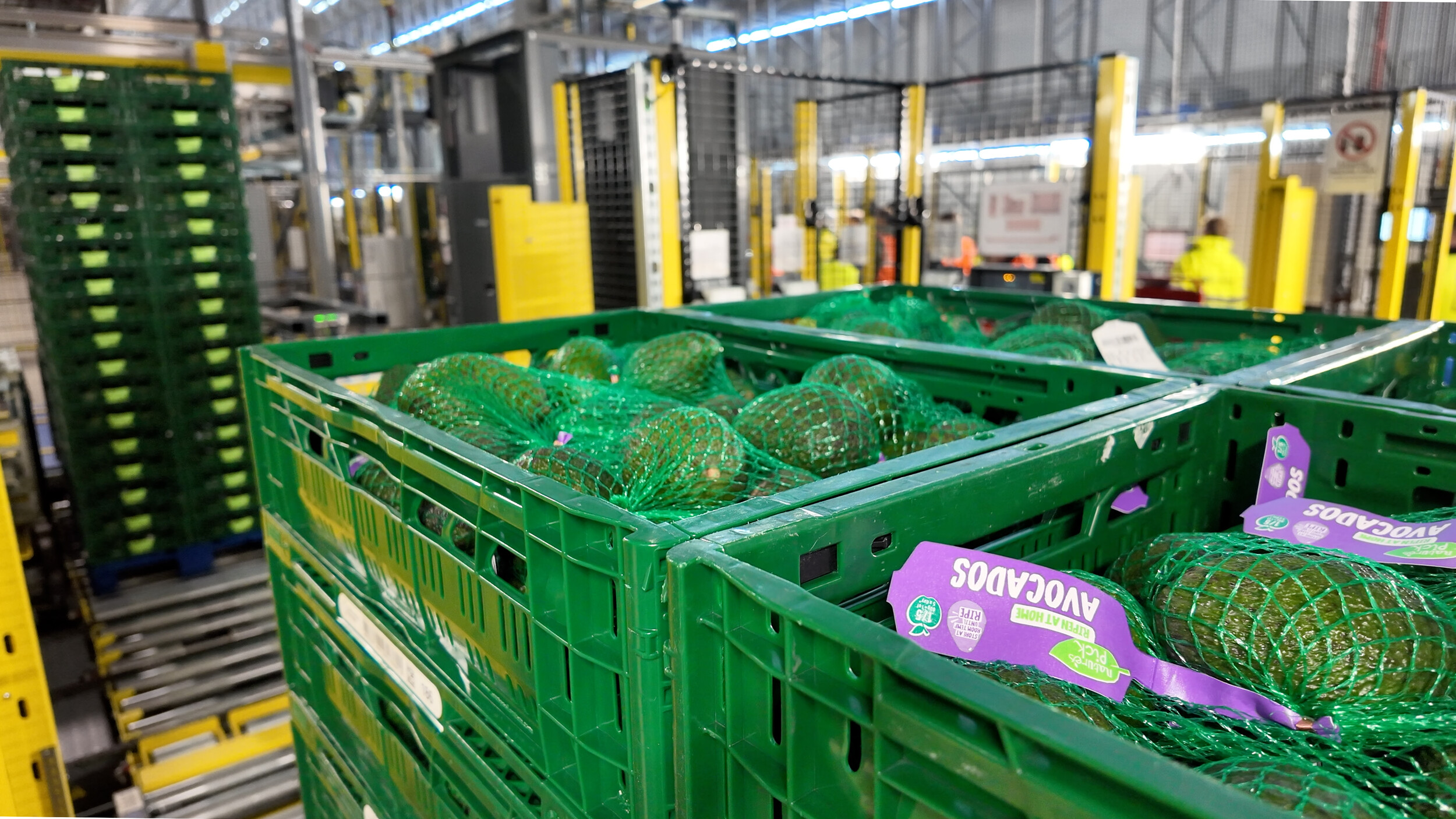
Aldi has begun a new operating phase at its Bardon Distribution Centre in Leicestershire, bringing fruit and vegetable logistics into a highly automated site. The first pallets, including ginger and avocados, arrived on 16 September, followed by the first outbound pallet the next day.
For industrial logistics, the significance of Bardon lies in the integration of several functions that are often difficult to scale together: high-volume pallet movement, product-specific temperature control, rapid store replenishment and energy efficiency. The centre began operations in May 2026 after Aldi invested more than £500 million in the facility.
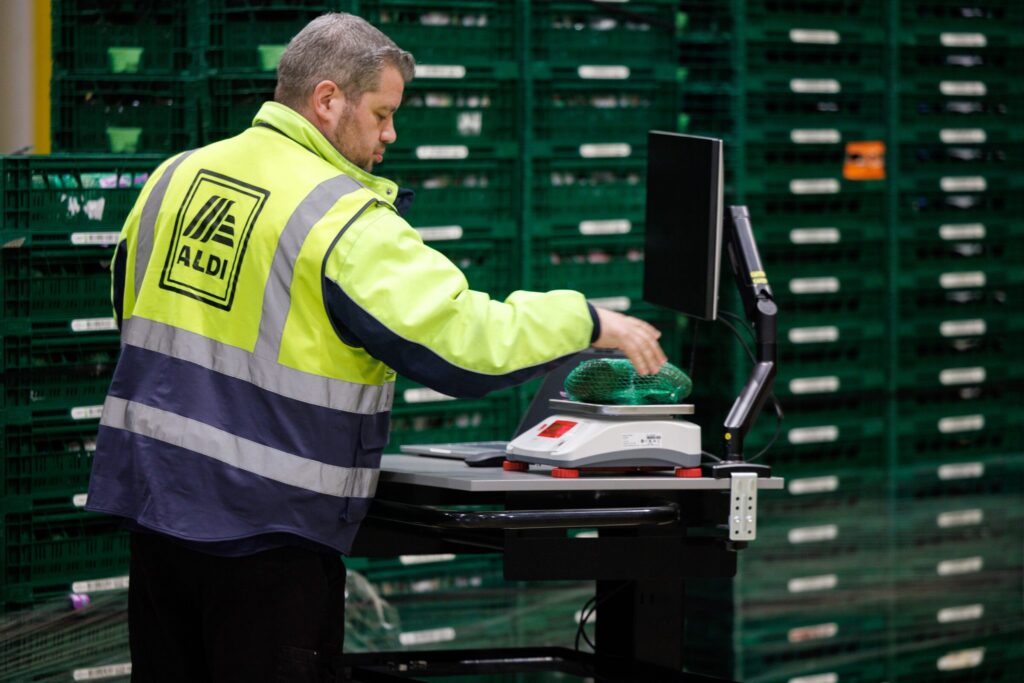
Automation built around product variability
Fresh produce is not a uniform warehouse commodity. Salad leaves, bananas, apples, carrots and soft fruit have different handling and storage requirements. Bardon addresses this through three dedicated temperature-controlled areas, including chilled storage and a specialist banana room.
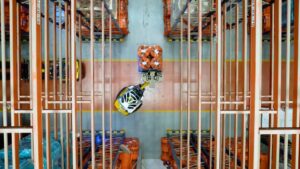
Within the chilled chamber, high-bay racking holds pallets until demand triggers retrieval. Automated shuttles then bring the relevant loads forward for dispatch. The system, supplied by Cimcorp, is designed to maintain flow without treating every product as if it had identical operating conditions. That flexibility is important in retail environments where demand and product availability change quickly.
Scale, resilience and resource efficiency
Once fully operational in 2027, Bardon is expected to handle more than 1.5 million kilograms of fruit and vegetables per day during peak periods. Over 6,000 fresh-produce pallets could leave the centre each day for Aldi stores across the UK, while total annual site capacity is expected to approach seven million pallets.
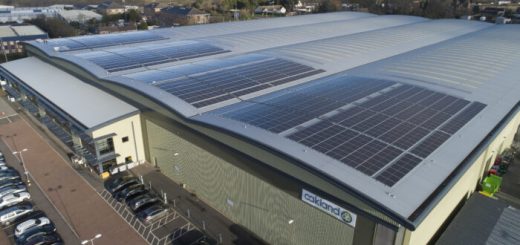
The 1.3 million-square-foot facility has 19,000 rooftop solar panels and is described by Aldi as the lowest-carbon-density warehouse in the Aldi South Group. Solar generation does not remove the energy demands of automated material handling and temperature-controlled storage, but it forms part of a broader attempt to reduce the operational footprint of a large distribution asset.
Bardon also provides network resilience as Aldi works towards 1,500 UK stores. The retailer sells around 2.2 billion fruit and vegetable items a year and wants to increase portions sold by 14% by the end of 2027. Once fully operational, the centre is expected to employ around 1,000 colleagues. The practical lesson for industrial operators is that automation is most valuable when it is designed around variability rather than simply maximum speed.