Industrial supply chains moving goods from Asia to Europe are gaining another option as road freight corridors become more capable. Shipments from China and Southeast Asia can now travel door to door in approximately 11–17 days on suitable routes. That places road transport between air freight, typically 5–12 days, and sea freight, which may take 30–45 days.
The significance is operational rather than merely geographical. A manufacturer may need parts quickly enough to protect production but not quickly enough to justify an aircraft. A retailer may need to restore availability before a seasonal sales window closes. A distributor may need to react to demand while retaining control of logistics spending. In each case, the required speed—not the maximum possible speed—should determine the mode.
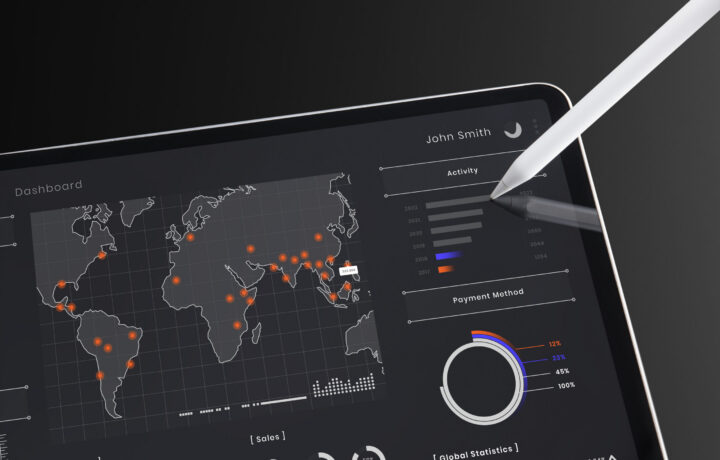
Digital visibility makes the middle option usable
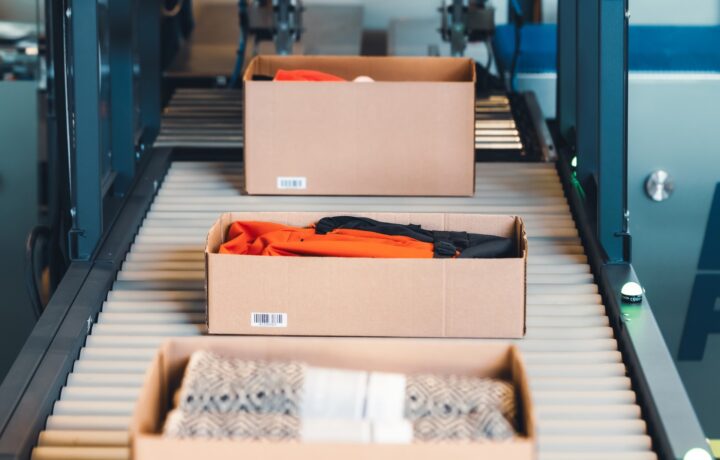
Shipment tracking, integrated customs processes and door-to-door service are helping companies assess road freight as a coordinated supply-chain process. Everwest reports that a fashion shipment from China to Sweden completed its journey in 11 days, including collection from the supplier, customs clearance and final delivery.
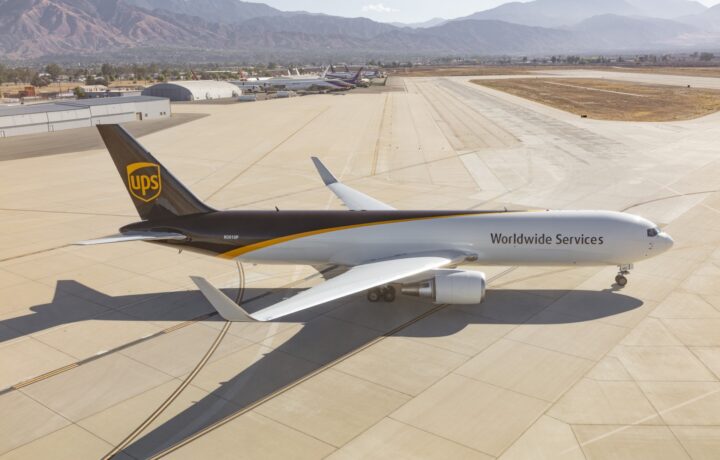
This end-to-end view matters when comparing modes. Air cargo still requires origin collection, airport processing, customs and last-mile distribution. A transport decision based only on flight time can therefore overstate the practical difference between air and road. For production planners, the more useful measure is whether the whole route supports the required replenishment or manufacturing schedule.
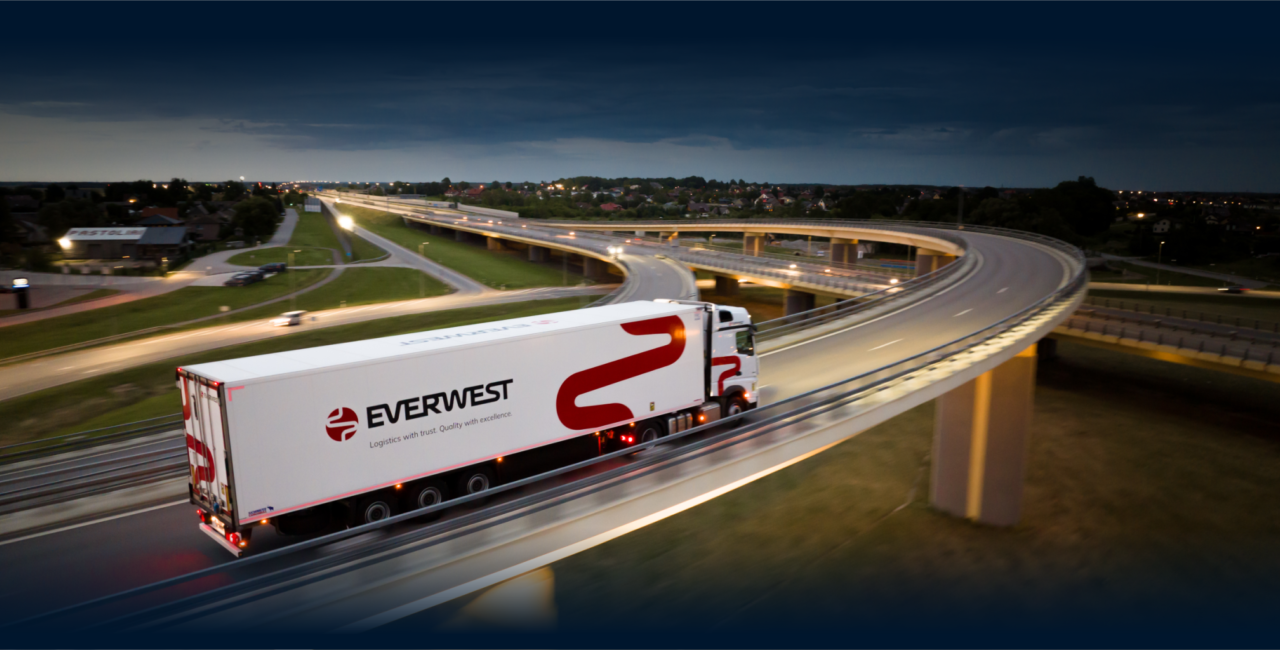
Everwest CEO Zigmas Mikoliūnas says businesses often buy air freight to obtain certainty rather than because every cargo movement needs air speed. The company estimates that road freight can reduce transport cost by up to 70% versus air, subject to route, shipment and market conditions. Its [Asia–Europe logistics services](https://www.everwest.net/) are positioned around this balance.
Resilience and decarbonisation benefits
The opportunity is relevant to automotive components, electronics, robotics, smart-home equipment, fashion and e-commerce. Certain pharmaceuticals, food products and lithium-ion batteries may also be transported by road when the required regulatory and safety controls are in place.
Everwest estimates that road freight on the Asia–Europe corridor can produce about 10 times fewer CO₂ emissions than air freight. The actual benefit depends on route distance, vehicle utilisation, fuel and cargo characteristics, but modal choice can contribute to supply-chain emissions reduction without automatically sacrificing service.
Sea freight remains the efficient solution for large, predictable volumes, and air freight remains essential for critical urgency. The Industry 5.0 lesson is to build a more adaptive transport portfolio: use the fastest mode when speed creates value, and use road when a predictable 11–17-day flow delivers the required industrial outcome.