A 450km ride puts transport resilience in human terms
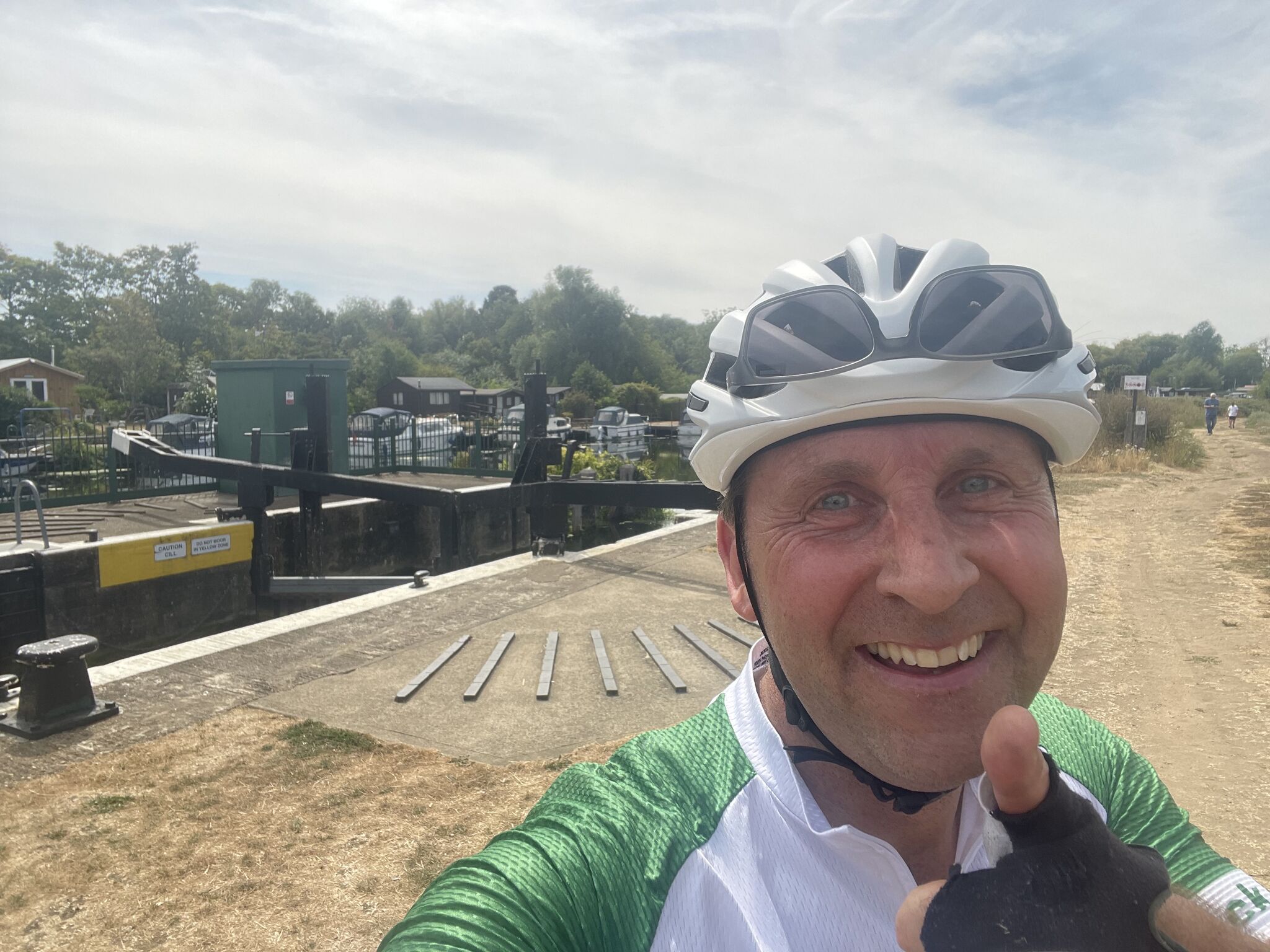
Transport resilience is often discussed through infrastructure, fleet capacity and operational continuity. Ian Wright’s forthcoming ride across Tanzania offers a more personal measure of the same challenge: five days, more than 450km and over 2,700m of climbing between Mount Kilimanjaro and the Indian Ocean.
Wright is taking part in the Kilimanjaro to Coast Cycle Challenge as a member of Team Transaid. Heat, terrain and accumulated fatigue will test both riders and their preparation. Even the small details of the undertaking – keeping the pack below its weight limit, checking supplies and completing final training – underline the importance of planning in a demanding operating environment.

From industrial logistics to essential access
The fundraising campaign supports Transaid’s work in sub-Saharan Africa. The charity aims to improve safe, available and sustainable transport through road-safety programmes, stronger transport systems and better access to healthcare. The implications extend well beyond freight efficiency. Where transport is unreliable or unavailable, people may struggle to reach medical services, schools, jobs and other essential facilities.
Peter MacLeod, a Transaid Ambassador and Wright’s colleague, has travelled through Tanzania and experienced its distances, roads and difficult terrain. His perspective connects the cycling challenge with the wider operational context in which the charity works: transport systems must function under real geographic and social constraints, not only under ideal planning assumptions.
Industry support for a practical sustainability message
Wright is still slightly below his fundraising target, with donations available through his fundraising page. Europa Warehouse is the main sponsor, joined by GenieGrips, PALLITE Group Ltd and Prologis UK. BIFA is headline sponsor, while Chelsea Group is supporting sponsor.
The challenge also features in a special conversation between Wright and Transaid CEO Caroline Barber, available through Logistics Business Conversations. For industrial companies, the event provides a direct example of how sustainability and resilience can be measured not only in carbon or throughput, but in whether transport enables people to access the services on which daily life depends.