Digital fleet control turns idling into a measurable efficiency issue
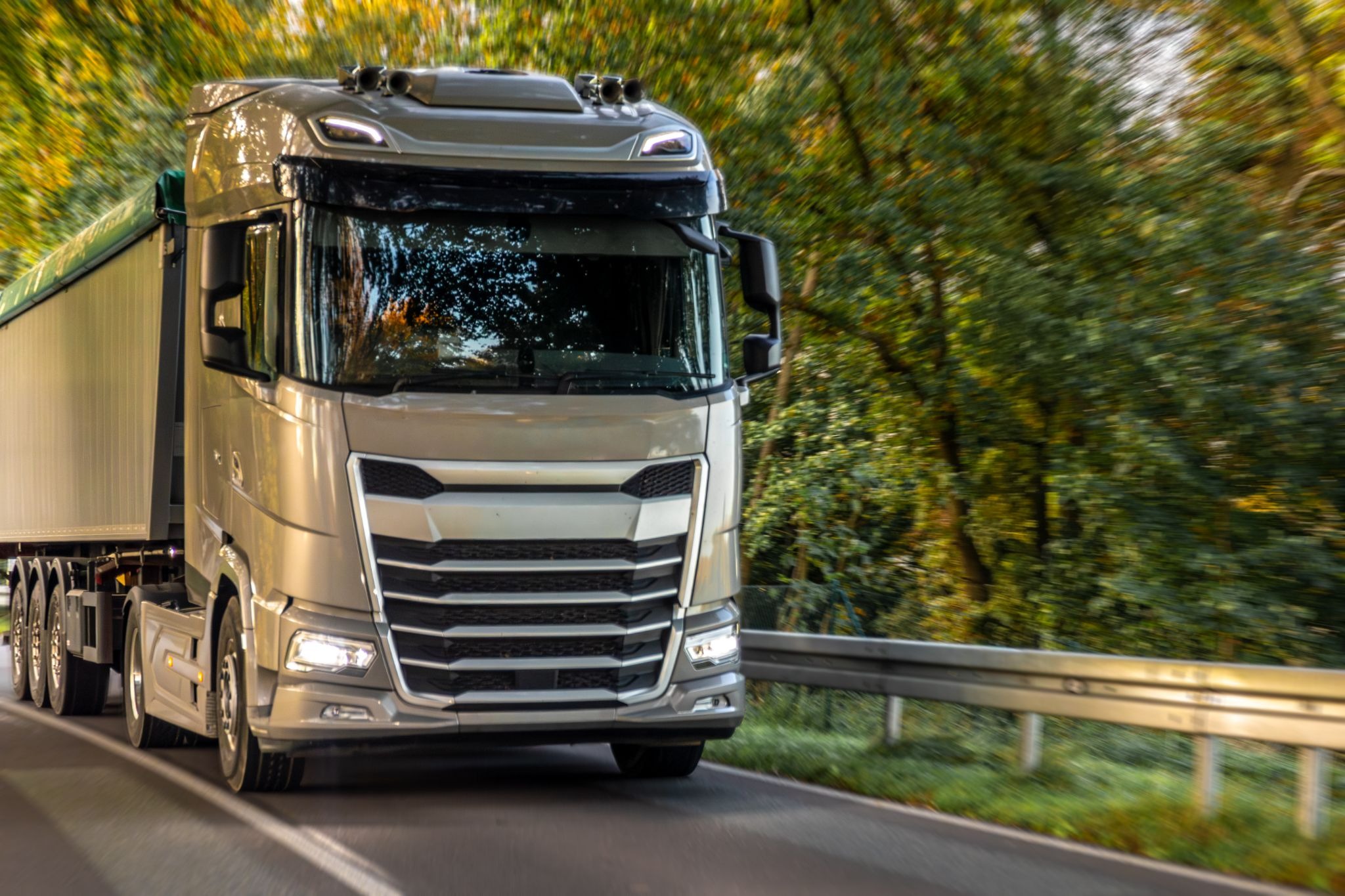
Idling is a small operational behaviour with a potentially broad industrial impact. A truck that remains stationary with its engine running consumes fuel, contributes emissions and continues to place stress on components. Across a fleet, the issue can weaken both cost-reduction plans and progress towards lower-carbon transport.
Making an invisible loss visible
Traditional fleet oversight rarely captures every waiting event. Vehicles may be left running at customer sites, loading areas or depots, and the duration of each episode can be difficult to reconstruct. GPS-enabled telematics changes that by providing a digital record of vehicle movement and activity.
With this information, managers can identify recurring idle events and distinguish between specific vehicles, routes and operational circumstances. That creates a more resilient basis for action than a blanket instruction to drivers. Companies can focus on the processes that generate unnecessary waiting, while recognising that some engine-on periods may be operationally justified.
Linking data with maintenance and sustainability
Idling can affect equipment as well as fuel consumption. Incomplete combustion may leave carbon deposits, while reduced lubrication can contribute to dirt accumulation and friction. Hot gases may also damage the oil film in engine areas that are not completely sealed during stationary operation. Over time, these effects can increase maintenance exposure and reduce efficiency.
The same data stream supports environmental reporting and operational improvement. Radius says an idling engine may create twice the carbon emissions of a moving car. After revising waiting procedures or briefing drivers, fleet teams can use telematics to test whether idle time has fallen. This measurement-and-feedback cycle is a practical Industry 5.0 approach: digital tools support human decisions, rather than replacing them.
For industrial companies, the business case is therefore broader than fuel savings. Reducing avoidable idling can improve asset utilisation, limit wear, support emissions targets and provide evidence that sustainability measures are changing daily operations.