Warehouse electrification becomes a systems engineering challenge
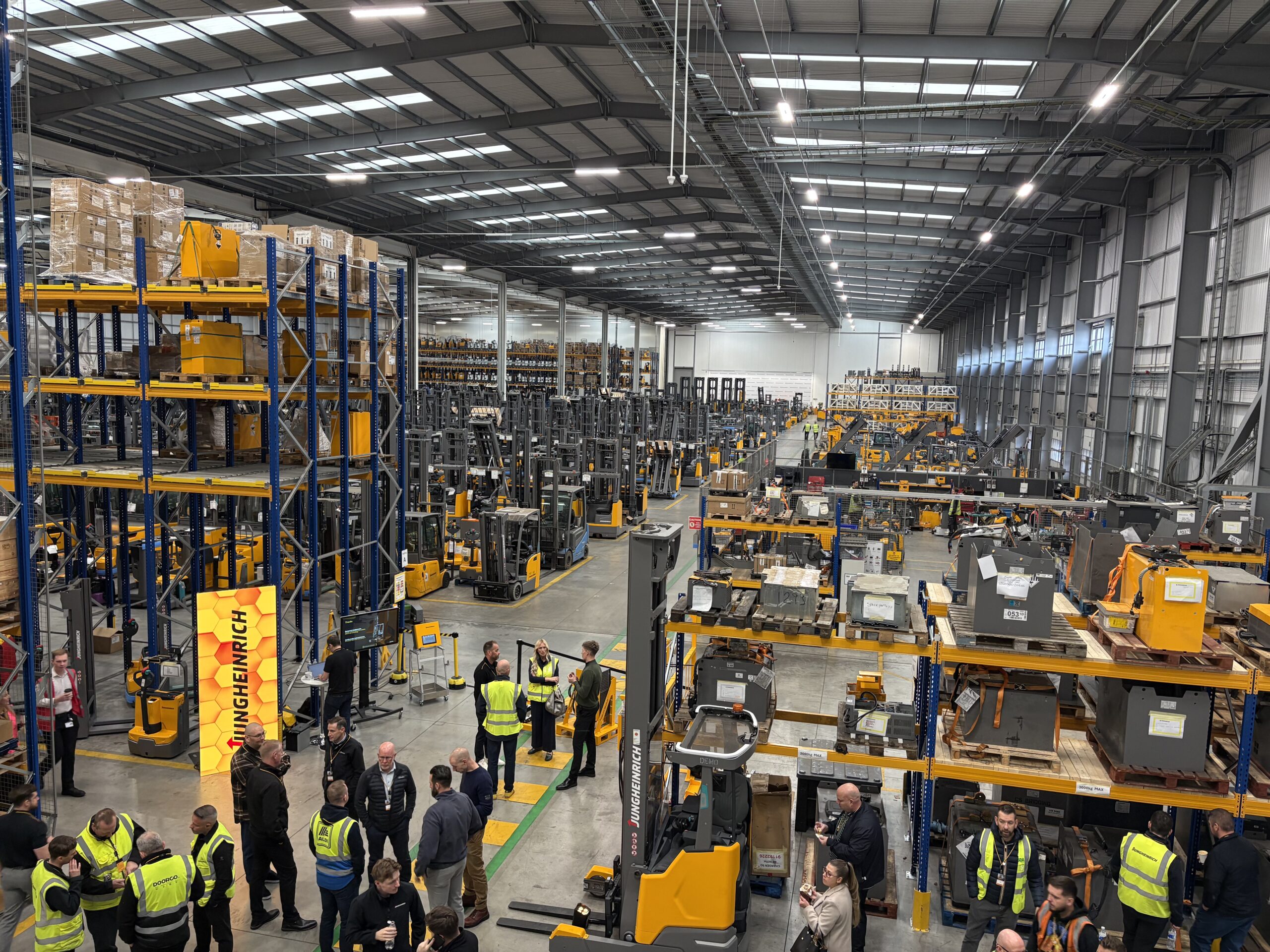
The practical challenge of warehouse electrification is moving beyond battery selection. As distribution centres add electric trucks, automation and charging infrastructure, operators must manage a finite site power supply while maintaining throughput and safe working conditions. Jungheinrich UK is responding with a combined equipment, energy and service proposition.
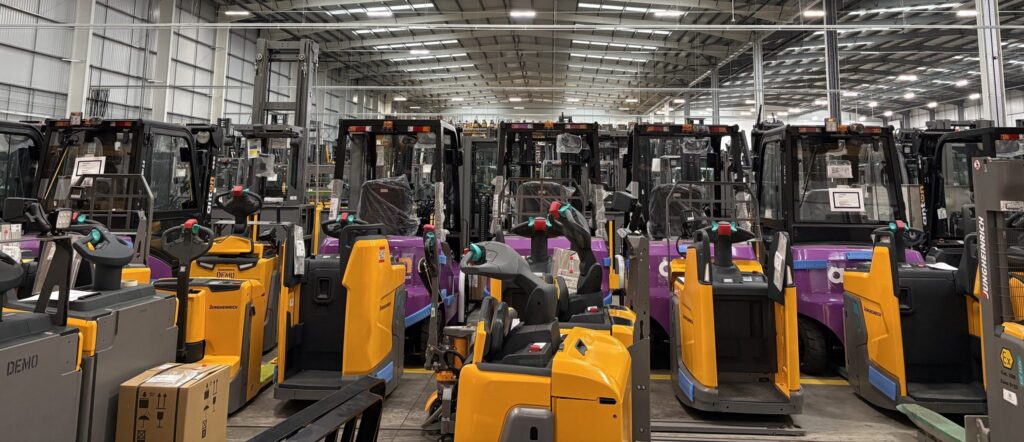
Its EFG 2 and 3 series electric counterbalance trucks illustrate the equipment approach. A narrow A-frame improves the operator’s view, while adjustable steering and armrest positions address ergonomics. The display is placed at eye level and a transparent polycarbonate roof option improves overhead visibility. Automatic fork levelling helps keep the mast vertical when the truck is not on level ground.
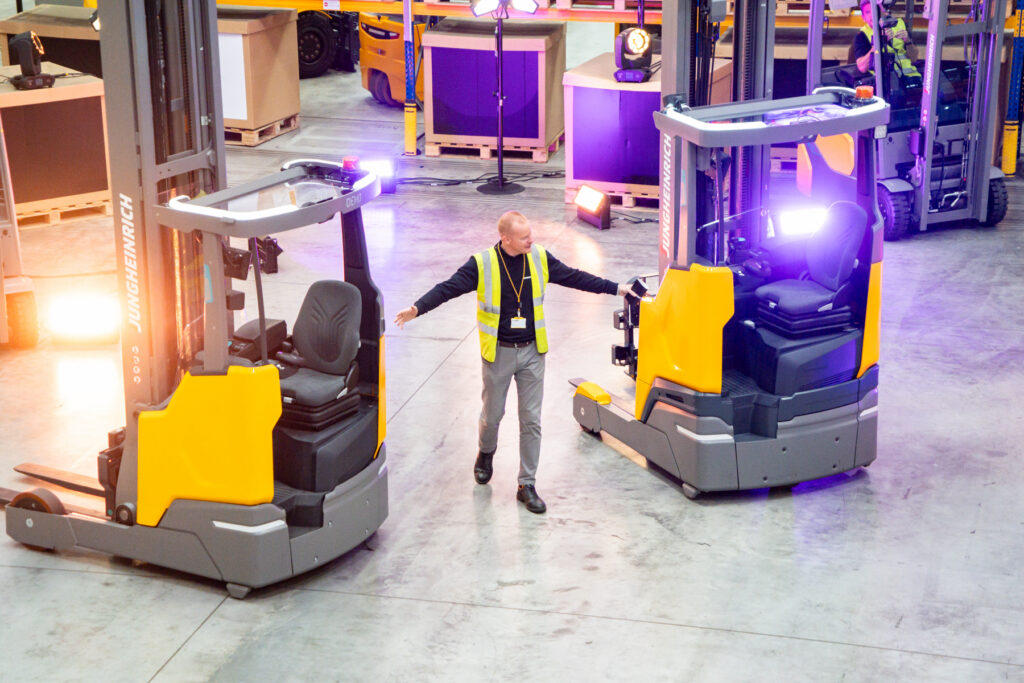
Digital safeguards are designed to connect the vehicle with its operating environment. A rear camera can identify pedestrians and move the truck into a slower zone. Access control, speed limitation, impact monitoring, rack protection and telematics add further layers. The UKMHA reports around 1,500 serious forklift injuries a year in Britain, underlining why productivity technology cannot be separated from risk management.
Energy as a digital control problem
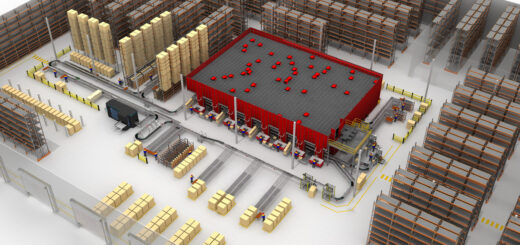
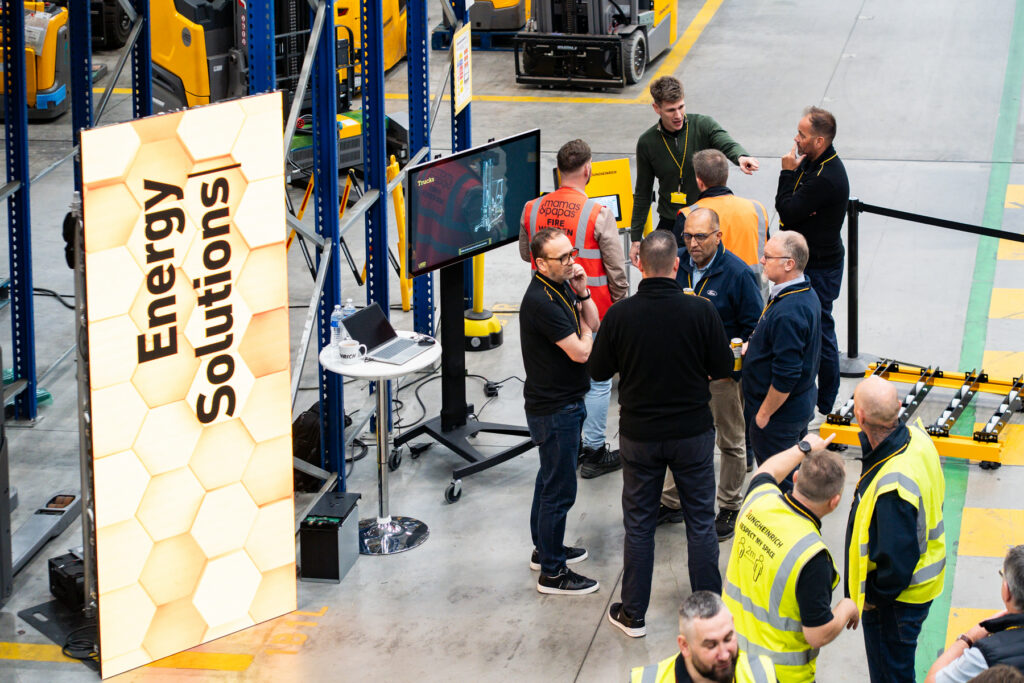
Jungheinrich’s energy infrastructure team models the demand of trucks alongside lighting, offices, electric vehicles and other loads. Materials-handling equipment may consume 50–60% of a distribution centre’s electricity. Rather than designing every site around maximum charging speed, the company examines shift breaks, battery choice, charger capacity and operational data.
Load-management software can reduce charger output, establish safe limits and coordinate with solar generation. The business is also exploring energy storage, including using daytime solar power to support night-time automation. This approach can help sites make better use of existing connections, although it requires early planning and detailed simulation.
Human-centred performance
The ETV reach-truck family extends to 2i, 3i and 4i models, with lead-acid and lithium-ion configurations. It can lift to 8.6m at up to 1.2m/s, while the ETV2i’s 42cm entry height supports operators who repeatedly leave the truck during a shift.
The wider lesson is that Industry 5.0 principles apply to warehouse vehicles: automation and data should support people rather than simply replace tasks. Fleet management, remote diagnostics and customer feedback provide the information needed to improve safety, uptime and energy performance. Jungheinrich says recurring business and renewals account for roughly 80% of its UK turnover, suggesting that long-term service capability is as important as the initial hardware purchase.