RFID retrofit brings parcel verification to existing lines
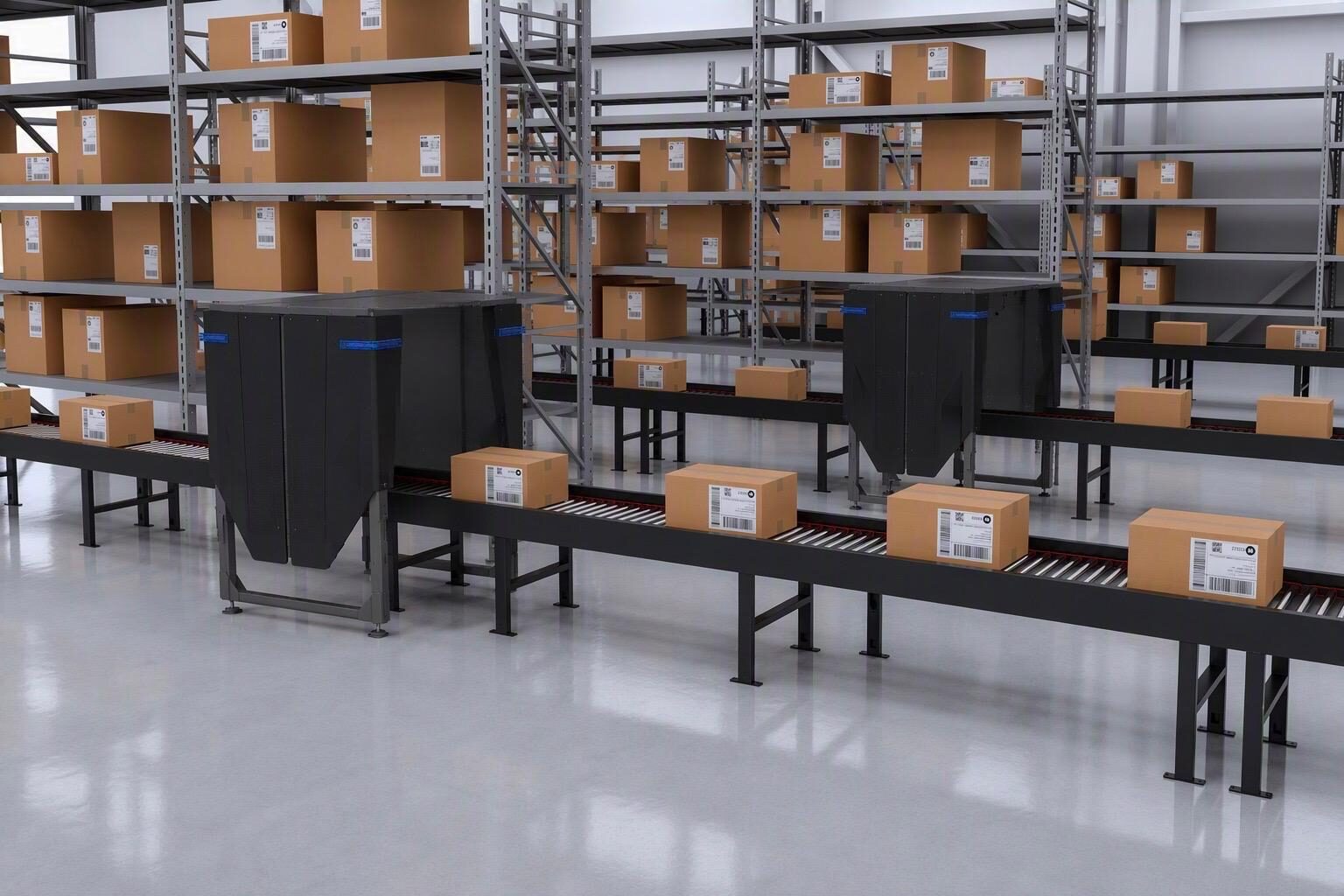
Industrial digitalisation often stalls at the boundary between a promising technology and an operating facility. Clustag’s new COS Tunnel addresses that challenge by adding automated RFID verification above existing conveyors, rather than requiring a logistics site to redesign its material-handling system.
The open-architecture solution identifies and verifies boxes, bags and parcels as they move through the line. Its width, height and operating arrangement can be configured for the application, supporting deployment in distribution centres where infrastructure changes, shutdowns or extensive commissioning would affect continuity.
Automation without a separate data island
The system uses a wave-emission and reading-zone control method developed by Clustag’s R&D team. RFID activity is concentrated around the parcel transit area, with the aim of maintaining reliable process performance in real operating conditions. This is important for brownfield sites, where package density, gaps between cartons and conveyor behaviour can vary from one process to another.
Operational data is routed through the ZENTUP capture platform and can be linked to WMS, ERP, WCS or WES systems. That integration allows RFID events to support existing workflows instead of creating an isolated identification layer. Potential applications include inbound receiving, outbound shipment validation and ecommerce order preparation.
Clustag configures performance according to conveyor speed, parcel density, spacing and environmental conditions. The company presented the product at RAIN in Action Madrid 2026.
A practical route to phased adoption
COS Tunnel is positioned alongside, not in place of, MOT Station. Clustag describes the tunnel as the better fit when flexibility, limited infrastructure impact and rapid integration are the main objectives. MOT Station remains the reference option when maximum accuracy, a controlled RFID environment and validation in critical scenarios are required.
This portfolio distinction has implications for Industry 5.0 deployment. Operators can match the technology to the process rather than impose the same architecture everywhere. A demanding operation may require a tightly controlled, high-assurance system, while another site can begin with a retrofit that keeps existing equipment and workflows in service.
That staged approach can reduce the operational risk of automation projects. It also supports incremental digitalisation: RFID data becomes available where it delivers value, while the wider conveyor and software environment can evolve at a pace the facility can manage.