Smart Yard project targets more resilient rail-terminal planning
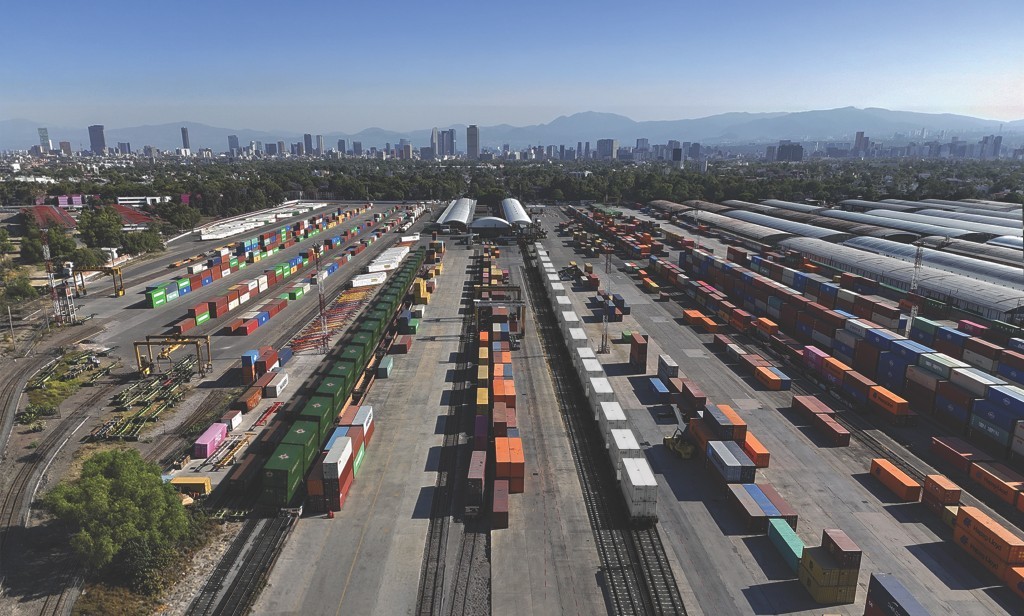
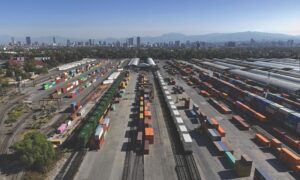
Ferrovalle is using digital optimisation to address a familiar industrial challenge: how to coordinate constrained equipment, changing container status and rail schedules without replacing the systems already running the terminal. Its new Smart Yard project at the Mexico City intermodal hub will use Inform’s Syncrotess Optimization Plus, with go-live planned for June 2027.
The platform will complement Ferrovalle’s terminal operating system. It will draw on operational data and continuously recalculate recommendations for storage locations, equipment deployment and train loading or discharge. For an industrial site, the significance is practical: planners gain a common decision layer while the underlying TOS remains in place.
From experience-led decisions to shared operational data
Ferrovalle’s intermodal division processed around 550,000 TEUs in 2025, making it one of Latin America’s largest inland intermodal operations. Today, planning depends substantially on manual criteria and dispatcher knowledge. The first implementation will cover eight RTG cranes, four reach stackers and 14 terminal tractors.
The software combines Yard Optimizer, Crane Optimizer, Vehicle Optimizer and Train Load Optimizer. Together, these components are intended to improve equipment throughput, increase the proportion of billable moves and support service-level performance for truck handling, train loading and train discharge. The approach also supports more responsive rescheduling as conditions change.
Operational resilience depends on integration
The project’s hybrid design is particularly relevant to complex industrial environments. Syncrotess will exchange consist data, load plans, container states, clearance information and operational updates with the TOS. It will cover customs-cleared and customs-controlled yards, while distinguishing processes for maritime and cross-border containers.
Inspection and loading areas will enter the workflow through automated tractor assignments. Integration with the Equipment Control System will verify weights during normal crane lifts, removing separate weighing stops and an associated process step.
Customs status will also become a planning constraint rather than a late-stage check. Before a container is released for train loading, Ferrovalle’s TOS will confirm the required documentation and clearance. The Train Load Optimizer will then propose a plan based on available containers, train configuration, restrictions and clearance status, while human planners retain final adjustment capability.
The contract was signed in early September 2026. If delivered as planned, the project will demonstrate a measured Industry 5.0 pattern: augmenting operational expertise with automation and optimisation while preserving existing infrastructure and human oversight.