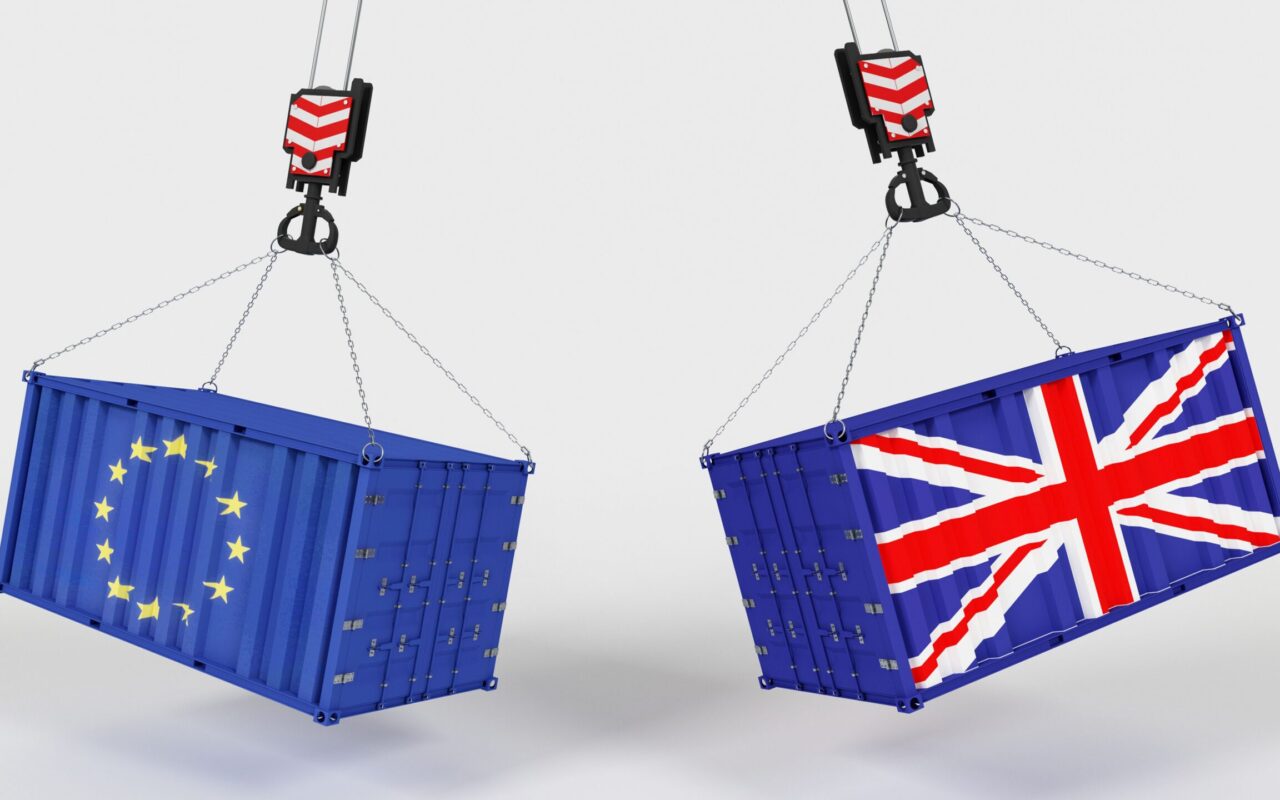
Industrial resilience depends on more than software at the border. As the UK and European Union prepare for their next summit, the proposed reset in trade relations is being judged against a practical question: can companies move goods with enough certainty to invest, automate and decarbonise?
Europe’s driver shortage exposes the issue. The IRU estimates that roughly 500,000 truck-driver positions remain unfilled, while UK operators face continuing recruitment and retention challenges. At the same time, the Schengen 90-day-in-180-day rule can restrict drivers undertaking repeated commercial journeys. Road haulage representatives are calling for a reciprocal solution, including an appropriate professional-driver exemption.
Interoperability is an operational requirement
Digital border infrastructure, including the EU Entry/Exit System, has the potential to improve security and reduce manual administration. Its contribution to resilience will depend on whether it produces predictable processing at busy crossings. A delay is not isolated transport friction: it can reduce vehicle utilisation, interrupt production schedules, increase fuel and labour costs, and weaken customer service.
Manufacturers and smaller exporters also need simpler customs processes and clearer digital requirements. The planned UK–EU sanitary and phytosanitary agreement from 2027 could remove part of the administrative burden, but it will not address every source of uncertainty. Systems must be designed around the operating reality of trucks, vans and coaches rather than a single generic traveller profile.
People remain part of the transition
Automation can improve visibility, documentation and planning, but it cannot currently replace the skilled workforce required to operate international road transport. Enabling existing drivers to work across borders more flexibly would provide immediate capacity without pretending to solve the structural labour shortage.
The implications extend to investment. Unclear future conditions influence fleet renewal, recruitment, digitalisation, emissions reduction and expansion. A trade reset that combines interoperable border technology, proportionate rules and regulatory cooperation would give industrial companies a firmer platform for resilient growth.