The transition to smarter, lower-emission logistics is creating a new infrastructure challenge: warehouses need more electricity, but available grid capacity is becoming harder to secure. For developers and industrial occupiers, power planning is now closely linked to automation, resilience and long-term decarbonisation.
George Day, senior project manager at Pulse Consult, says grid availability should be examined before a site is committed. Ofgem’s consultation on network-capacity reform reflects wider pressure on connections and the risk that projects with uncertain requirements may face delays.

Digital operations need physical infrastructure
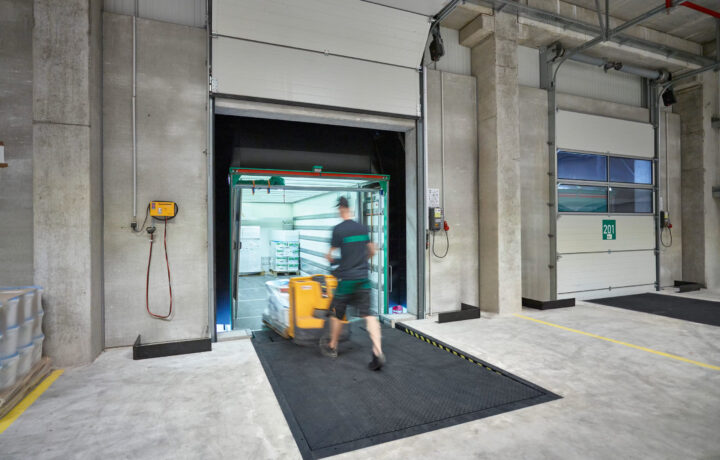
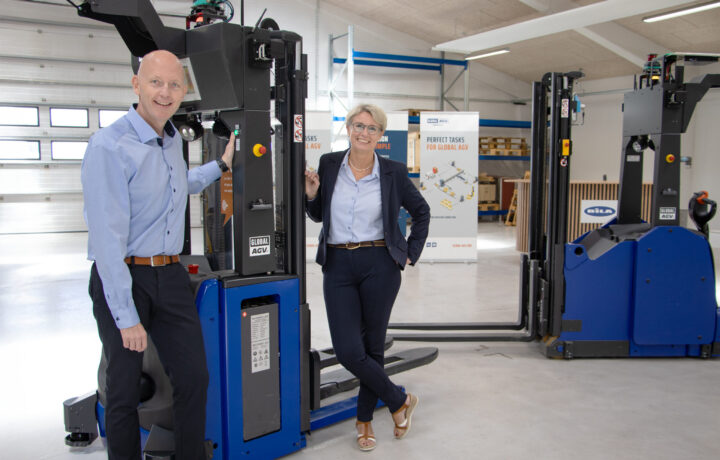
Warehouse automation depends on more than software. Conveyors, robotic handling, automated storage, refrigeration, data systems and charging equipment all require dependable electrical infrastructure. These loads can change over time as operators add technology, increase volumes or replace combustion-powered vehicles.
A resilient design therefore needs two horizons: the power required to start operations and the capacity needed for the facility’s expected evolution. Designing only for the opening configuration can lock an occupier into a constrained operating model or force disruptive and expensive upgrades later.
Making energy part of Industry 5.0 planning
Early due diligence should test grid availability, connection timing and technical conditions before the wider project is fixed. The results should be shared across planning, engineering, commercial management and project controls. Power constraints can influence the preferred site, building layout, equipment choices and financial case.
This cross-functional approach also supports sustainability goals. Electrification and automation can reduce dependence on fossil fuels or improve productivity, but only when the supporting infrastructure is available at the required scale. Treating electricity as a core design input makes it easier to sequence investment, manage risk and preserve future flexibility.
For warehouse owners, the lesson is practical: digital transformation plans should be matched by an energy-capacity plan. Without that alignment, a facility may be automated in concept but limited in operation.