Voice-directed fulfilment strengthens warehouse resilience
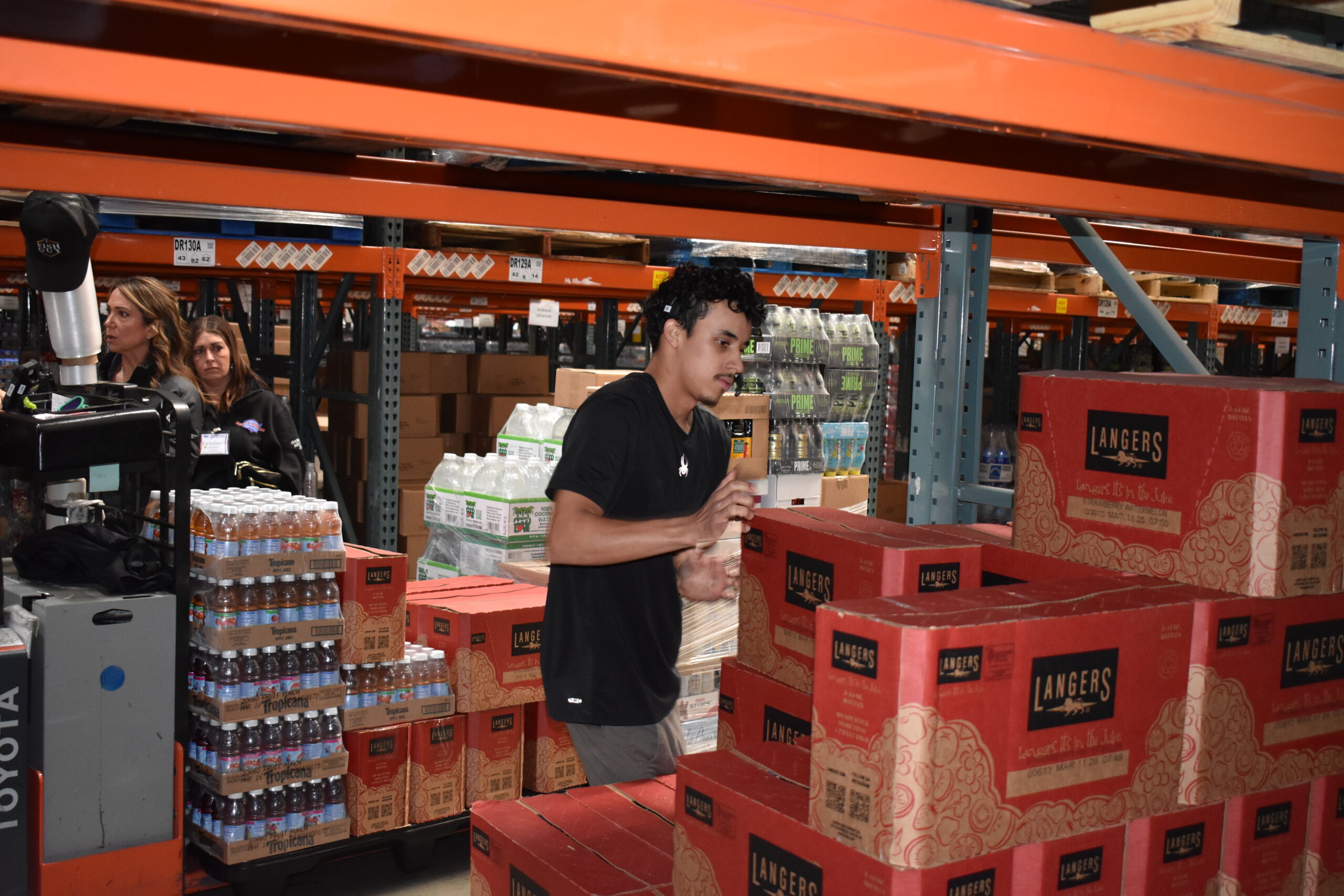
Digitalisation in logistics is often judged by throughput, but the ability to introduce change without destabilising operations is equally important. States Logistics, a US third-party logistics provider, has used voice-directed picking to address both challenges.
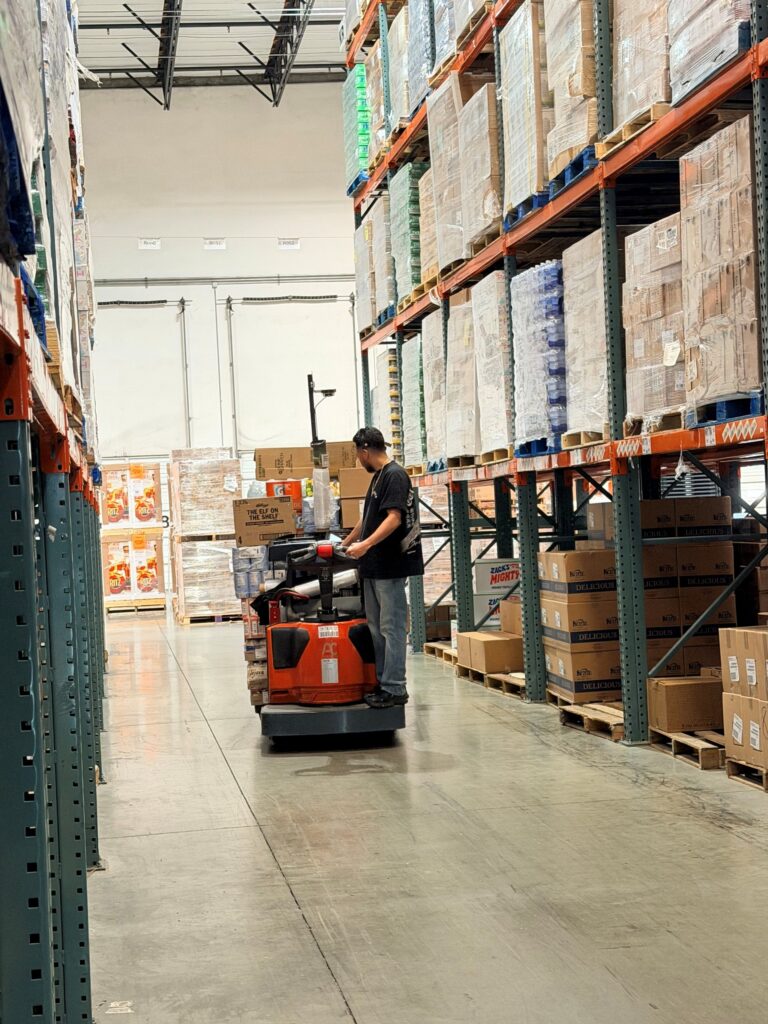
The company implemented LYDIA Voice with EPG and ASW Global Consulting. Integrated with the existing Infor WMS, the solution gives workers spoken instructions while preserving hands-free and eyes-free operation. That reduces dependence on paper and handheld scanning in areas where employees handle many cartons and travel long distances.
A controlled route to automation
States Logistics faced growing pressure from large orders, high pick density and changing customer requirements. Its existing processes were also affected by fluctuating labour availability, making rapid onboarding more important. The company therefore avoided a disruptive big-bang implementation.
Instead, a small employee group started using voice during live operations. Additional teams were added progressively, and almost the entire workforce was working with the system after the first week. The approach limited operational risk while allowing employees to build familiarity with the new interface. Tests in a noisy warehouse environment were successful even when radios were active and several people were picking in the same zone.
Productivity with room for continuous improvement
Case-picking productivity increased, while picking accuracy improved by 68%. Training time and overtime hours were reduced, and employee satisfaction improved. These results combine a direct efficiency benefit with a workforce benefit: new operators can be introduced to the process more quickly, while experienced workers spend less time managing devices.
The deployment also created a more adaptable process layer. States Logistics can modify workflows in response to new requirements without changing the WMS core or interrupting operations. For industrial and logistics companies, this is a practical example of resilient digitalisation: targeted technology improves performance today while preserving the flexibility needed for tomorrow’s volumes and customer-specific processes.