Warehouse AI platform puts application building in operators’ hands
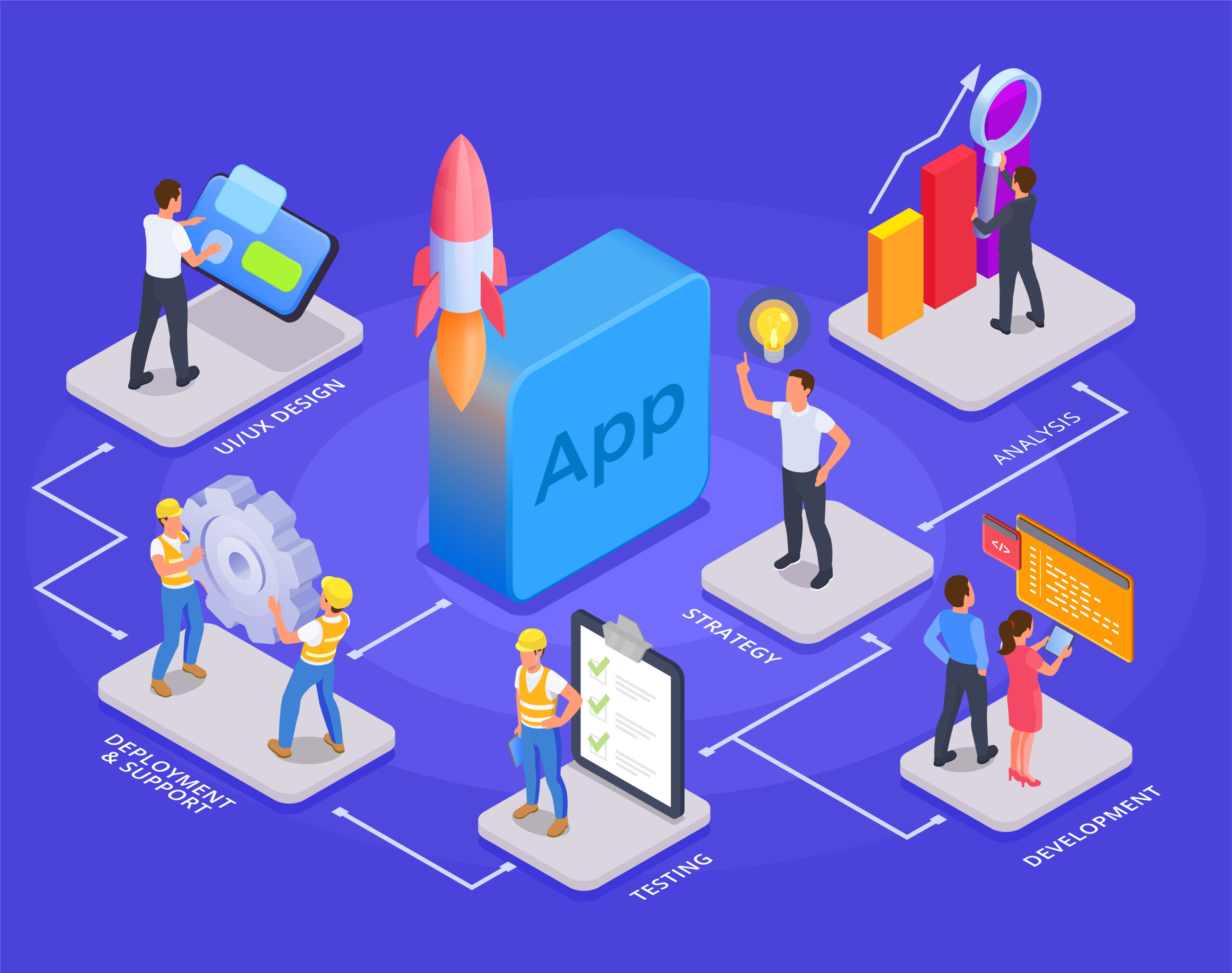
Warehouse digitalisation often leaves a gap between the capabilities of core systems and the practical questions faced on the floor. AutoScheduler.AI is addressing that gap with AI App Builder, a new capability in its Warehouse AI Platform that lets warehouse teams create applications for their own operating environment.
Planners, supervisors and site leaders can describe a requirement in plain language rather than submit a conventional development request. The tool draws on live data and a semantic layer covering warehouse concepts across connected systems, then applies a library of production-grade optimisation algorithms. The resulting application may inform a decision, monitor a process or automate an action.
A more adaptive model for industrial operations
The release does not replace orchestration. AutoScheduler.AI continues to coordinate labour, inventory and resources above systems including WMS, ERP, labour-management, yard-management and automation platforms. AI App Builder adds a local innovation layer for problems that do not fit neatly into a system of record.
Customer examples range from labour forecasting and OTIF prediction to replenishment monitoring, inventory-flow tracking, production planning, wave optimisation and dock-door schedule compliance. Other deployments include operational dashboards, alerts and gamification. Such applications can help sites respond to changing constraints without creating a separate software stack for every improvement initiative.
AutoScheduler positions the product differently from generic AI and low-code platforms. Its semantic layer is built to interpret warehouse data across systems, while its optimisation solvers have been developed through six years of work at nearly 100 sites. That combination matters for Industry 5.0 programmes, where technology must support human expertise rather than isolate it from operational decision-making.
Speed, integration and practical resilience
One customer application was created in less than 15 minutes during a working session. In another example, a planner independently built a replenishment-monitoring application that was built, validated and deployed within two weeks. The site later budgeted a six-figure annual amount for it.
Because the applications use the same integration layer as orchestration, customers do not need separate data infrastructure for each use case. Apps sit alongside Daily Plan, Wave Planner, Network Scoreboard and Warehouse AI Agent, and can write tasks to the WMS where appropriate. AI App Builder is generally available through the AutoScheduler.AI Warehouse AI Platform, either as a self-service toolbox or with support from forward-deployed specialists.