Industrial companies are increasingly using digital systems to connect worker safety with the performance of the equipment around them. Samsara’s new 360-degree camera is aimed at that intersection, extending AI monitoring from road fleets to forklifts, excavators and airport ground-support vehicles.
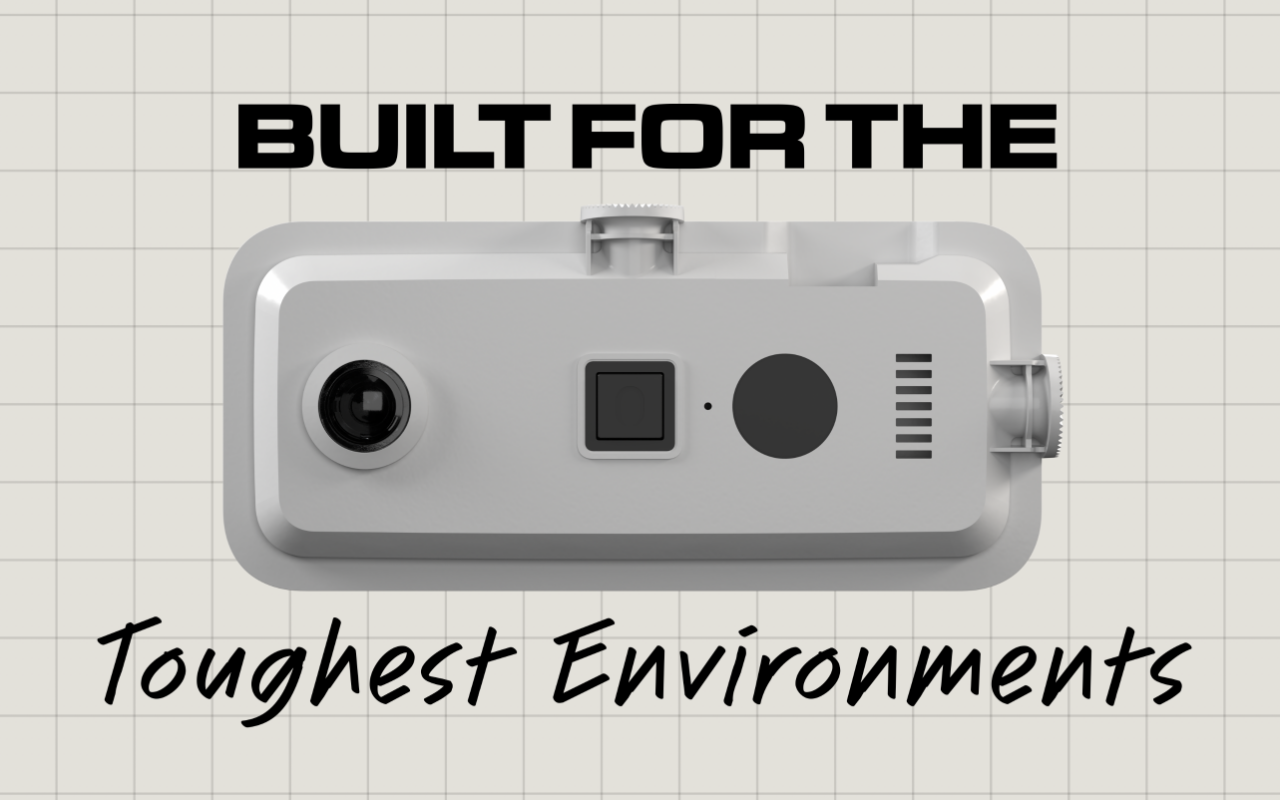
The patent-pending Samsara 360 Camera uses dual fisheye lenses mounted at a single point. It captures the area around an open-cab machine, where operators may work only a short distance from colleagues, warehouse racking, construction hazards or aircraft. The ruggedised design is intended for harsh weather and demanding operating conditions, while recorded events can be explored through pan and zoom functions.
Turning data into safer work
Integrated Samsara AI can detect mobile-phone use, camera obstruction, seat and lap-belt behaviour and harsh impacts. When an impact occurs, the associated video is automatically sent to the Samsara Safety Inbox. That gives safety teams a consistent evidence base for investigations, insurance claims and liability discussions.
The system also supports continuous improvement. Managers can identify patterns by operator, site and equipment category, then use the relevant footage in coaching. This creates a feedback mechanism in which incidents can inform training and operational controls instead of remaining isolated reports.
Digitalisation beyond the camera
Samsara for Equipment adds equipment telemetry and connected agents to the same environment. Organisations can review idling, use actual engine hours to plan preventive maintenance and examine peak utilisation before investing in additional machines. A fault code may initiate a work order automatically, reducing manual handoffs. Bringing multi-brand equipment and operators together can also reduce dependence on separate OEM portals.

The approach has practical relevance on airport ramps, where Alaska Airlines is using the camera across baggage tractors, tugs and pushback vehicles. The airline says the system improves access to evidence and helps teams move from incident reporting to root-cause analysis more rapidly.
For Industry 5.0 programmes, the significance is not simply wider camera coverage. It is the combination of machine vision, human coaching and operational data: technology supports workers while helping companies make maintenance and capacity decisions with a clearer view of real-world activity. Product information is available from Samsara.