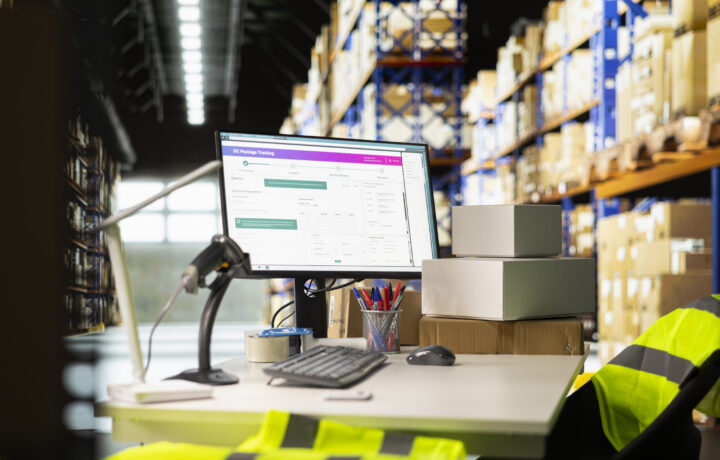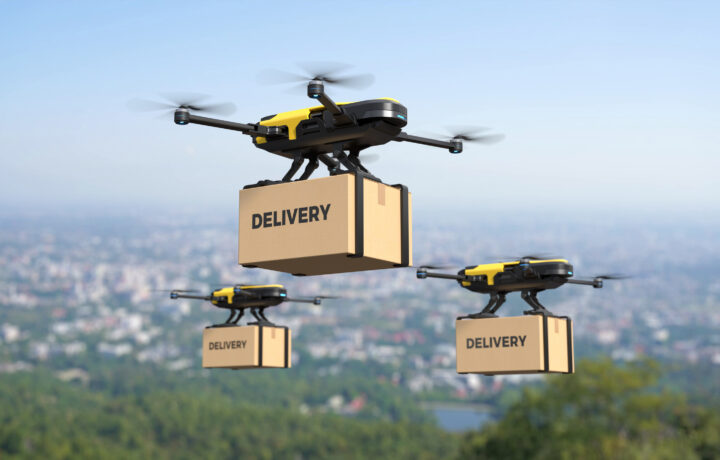
Industrial companies are increasingly using compact electric access equipment to keep inventory, racking and facility maintenance moving without bringing larger machines into every warehouse aisle. The technology delivers value only when selection is based on the complete operating system: the building, the task, the battery routine and the operator.
A comparison from Coman Lifting focuses on electric scissor lifts, vertical mast lifts and order pickers for indoor logistics. The first step is a physical survey. Teams should capture the maximum working height, tightest route, door and mezzanine constraints, floor type and published load limits. They should also calculate the combined weight of people, tools and parts, then compare the required duty cycle with charging arrangements.
Efficiency starts with physical compatibility
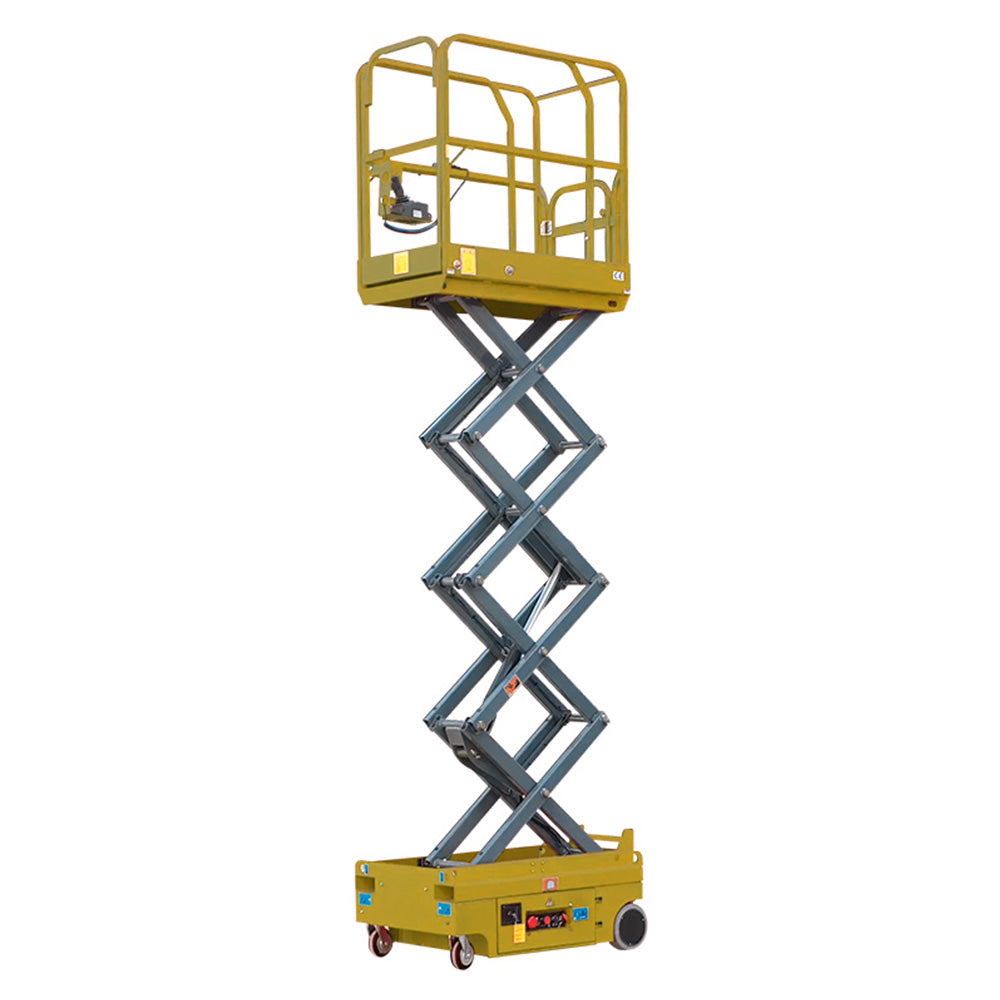
Scissor lifts offer the broadest deck of the three options and are well suited to tasks that travel straight upward. That extra space can support a two-person stock count or reduce repeated trips for tools. It does not remove structural risk: wheel point loads may be critical on suspended floors, and suppliers should confirm battery performance for the intended pattern of use. Non-marking tyres can reduce damage to finished indoor surfaces.
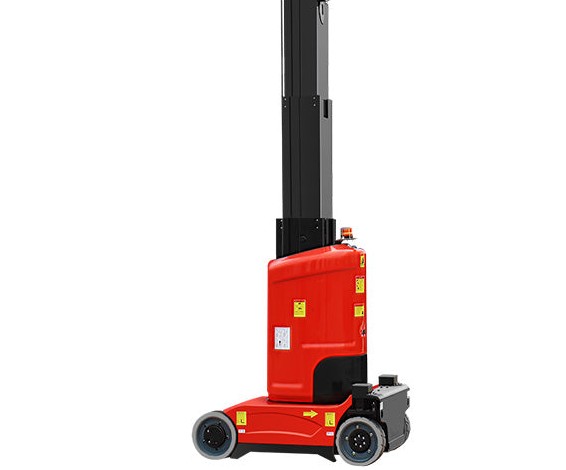
Mast lifts provide a smaller footprint and, in many cases, lower machine weight. This can improve access through narrow doors and onto upper levels. A short jib extends the use case to work above racking or conveyors without committing to a larger boom. The trade-off is usually a smaller platform capacity, making disciplined load calculations essential.
Order pickers integrate most naturally with racking-face work. They can support trained operators carrying out cycle counts at picking levels with less repositioning than a general-purpose platform. Their value falls when the task requires outreach beyond the face, space for two people or bulky maintenance components.
Human-centred automation needs controls
Access equipment is not autonomous productivity. Operators need model-specific familiarisation, including emergency lowering, and a pre-use inspection is required each shift. Overhead beams, sprinklers, cable trays and the exclusion area below the platform must be included in the risk assessment. Guarding and sensing functions can help manage crush and shear hazards, but they work alongside procedures, not instead of them.
This approach also supports resilience: accurate site data reduces failed deliveries, unproductive repositioning and avoidable battery downtime. A clear vertical task generally points to a scissor lift, restricted access with outreach to a mast lift, and picking-face counting to an order picker. For outdoor soft ground or substantial outreach, a different class of boom or tracked equipment is required.
Suppliers should receive measurements and aisle photographs before equipment is committed. That simple digital-and-physical check can prevent a mismatch between catalogue capability and the warehouse reality.