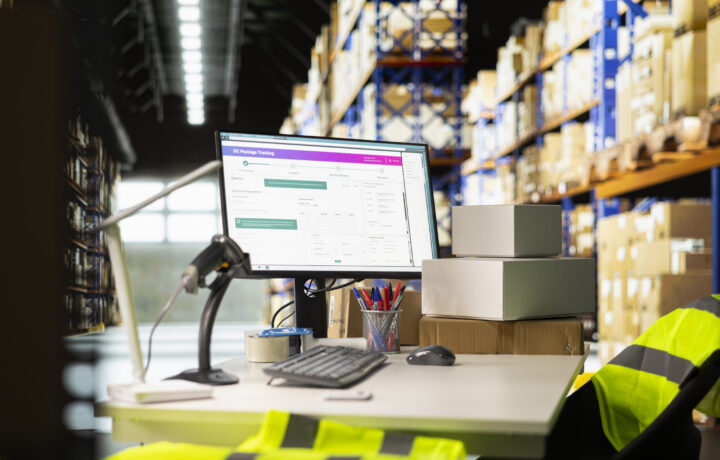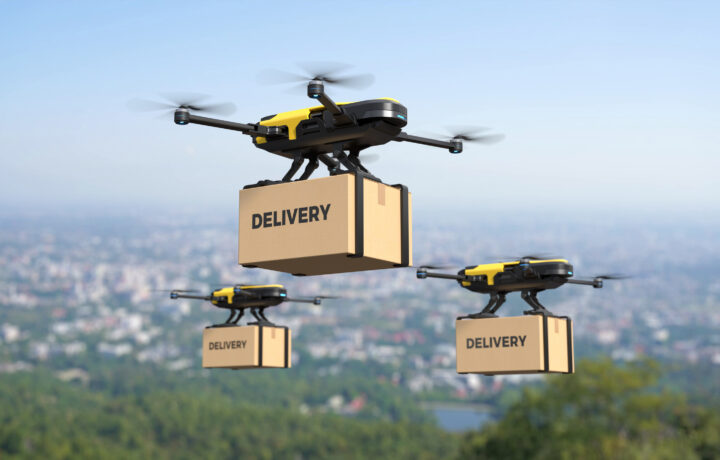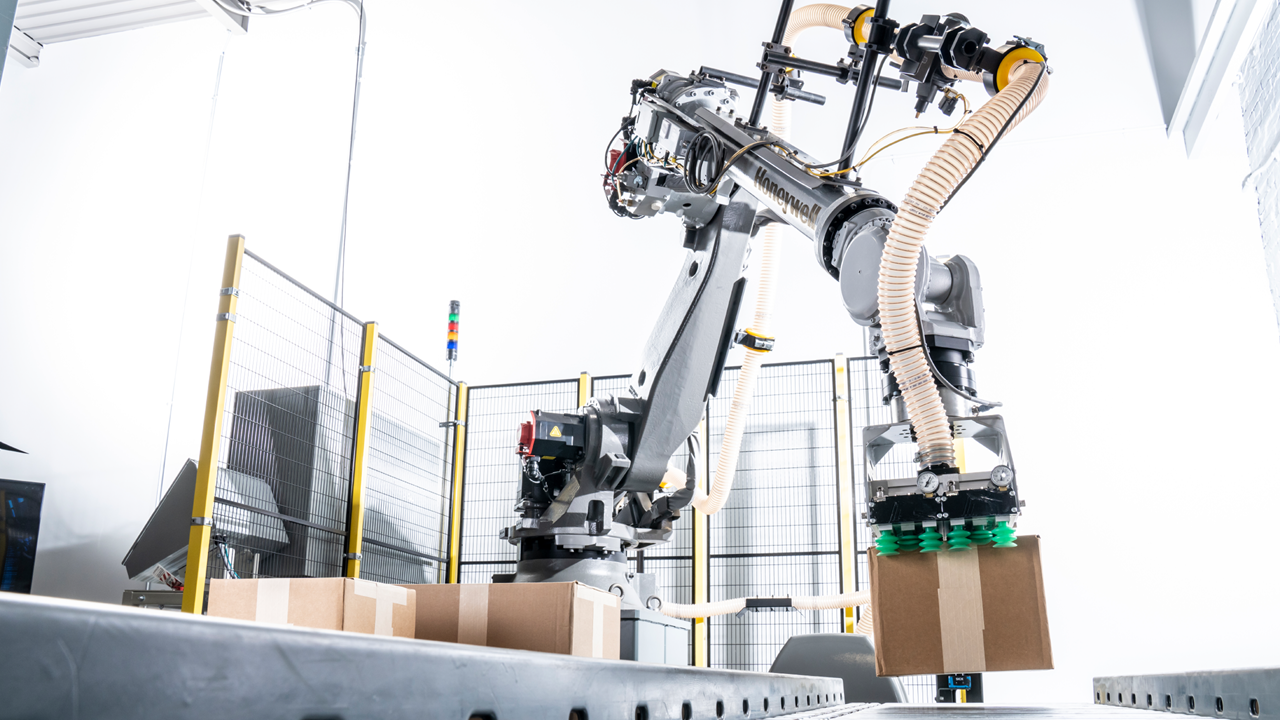
Artificial intelligence is often presented as a route to faster planning and more resilient logistics. Matthew Sterner, Global Customer Marketing Leader for Transportation, Logistics and Warehousing at Honeywell, takes a more operational view: the technology must be fitted to the work before it can improve the work.
This matters for resilience. Logistics networks generate data across warehouses, transport modes and customer interfaces, yet more information does not automatically provide visibility. If records are duplicated, exceptions are missed or updates arrive too late, an AI system may produce a fast answer to the wrong question.
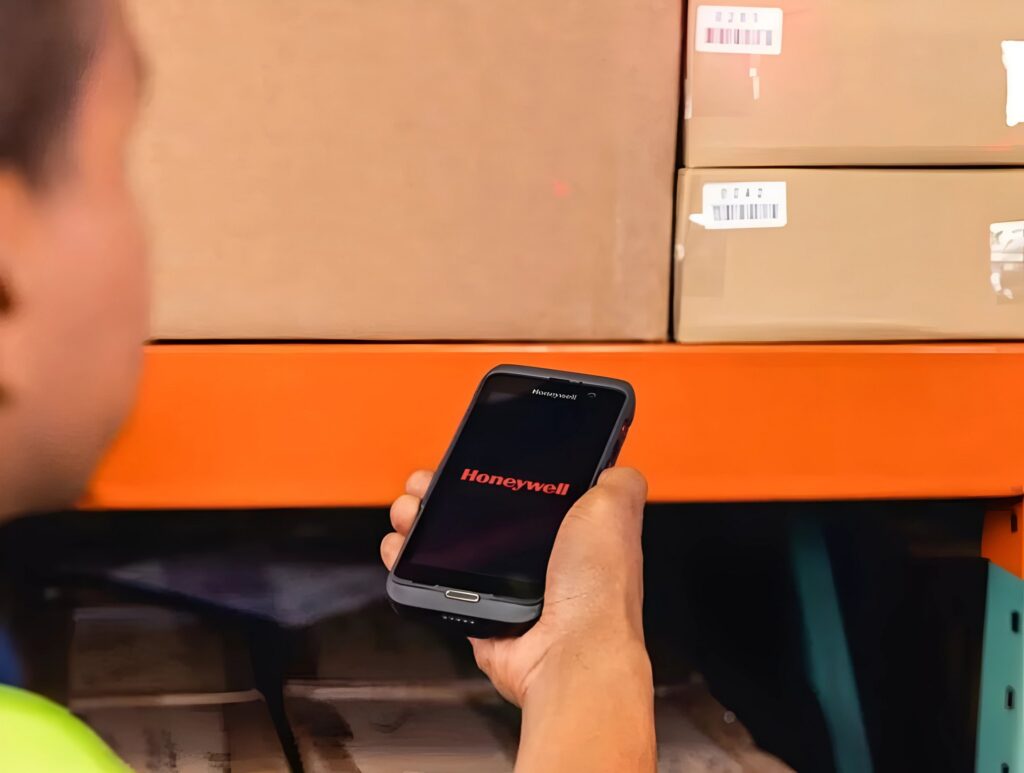
Designing a better human-machine split
A shipping process reviewed by Sterner included approximately 30 stages, with information entered more than once. A shipment could move forward even when details conflicted or a special handling need had not been selected. Mapping the process showed where automated validation could be added and where human judgement remained necessary. The time required from a person fell from roughly six minutes to 30–45 seconds.
This is a practical Industry 5.0 lesson. Efficiency does not mean removing people from every decision; it means giving them fewer routine steps and better visibility of the exceptions that require experience, communication or discretion. Before deployment, operators need to agree what the system may do, what needs approval and how conflicts with policy or supplier requirements are handled.
Resilience depends on acting on signals
AI could detect a sudden change in product interest and support earlier inventory positioning. In transport, combining vehicle location and weather information could flag a likely delay, suggest a revised route and update the expected arrival time. That gives a factory or warehouse more time to adjust, but only when the signal is credible and the organisation has a response process.

The same principle applies to the workforce. Hands-free guidance may suit one environment, while another needs simpler decision support or additional training. Sterner recommends a small pilot with a measurable outcome. It can expose data limitations, build user confidence and establish whether a wider digitalisation programme is justified.