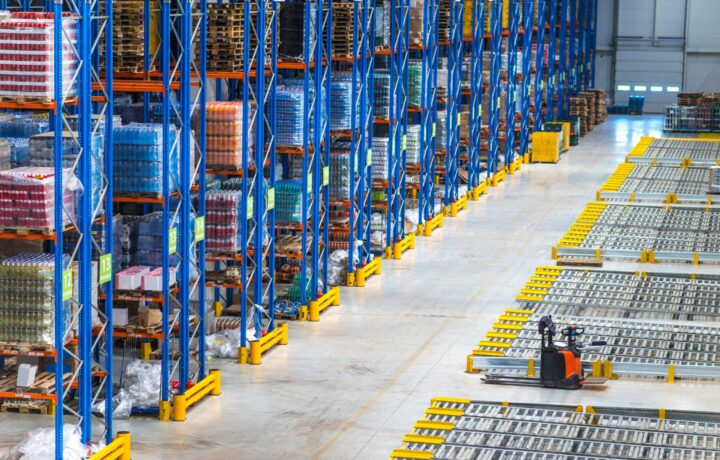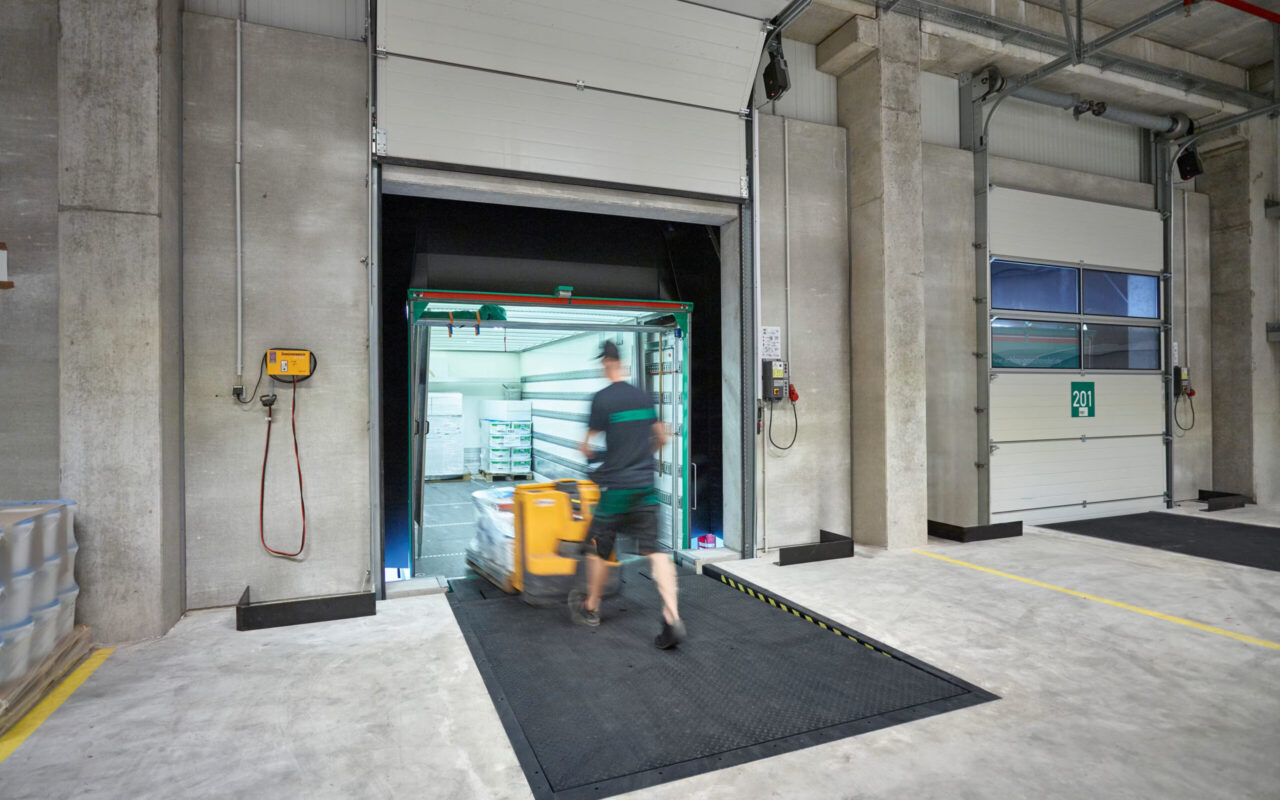
Loading bays are a critical interface between warehouse automation, vehicles and the wider supply chain. When a dock leveller fails or cannot be fitted to an existing pit, the impact can extend beyond one piece of equipment. Hörmann’s new HTL3 addresses this challenge with a modular platform designed for both new construction and refurbishment.
Flexibility as an engineering strategy
The HTL3 is independently tested to EN 1398 and comes in three versions. Its standard configuration is compact and intended for new-build applications or relatively direct replacements. The R version adds a variable adaptor, enabling the width and length of the leveller to be matched to an existing pit.
For industrial operators, this adaptability is significant because resilience is not only about adding new capacity. It also involves extending the useful life of existing buildings and replacing critical components without unnecessary reconstruction. A configurable platform can give project teams more options when site conditions differ from standard layouts.
Durability and maintainability
The leveller uses high-strength steel and a redesigned, thicker telescopic lip. According to Hörmann, the lip provides approximately 50% greater fatigue resistance under peak loads. Improved resistance to lane grooves is intended to support dependable movement where loading activity is frequent and vehicle positioning is repeated throughout the day.
The design also focuses on the maintenance interface. Improved access and an optimised hydraulic layout are intended to make installation and servicing more straightforward. These are practical Industry 5.0 considerations: technology must remain accessible to the people who install, inspect and maintain it, rather than optimising only for nominal performance.
Lower logistical overhead
The HTL3 is particularly compact for transportation. That may reduce transport requirements and associated costs, while supporting sustainability objectives for warehouse and industrial projects. It does not remove the need for sound maintenance planning, but it can contribute to a lower-impact delivery and refurbishment process.
By combining adaptable dimensions, robust materials and service-oriented design, the HTL3 presents dock infrastructure as part of operational resilience rather than as a purely static building component. More information is available from Hörmann’s industrial solutions.