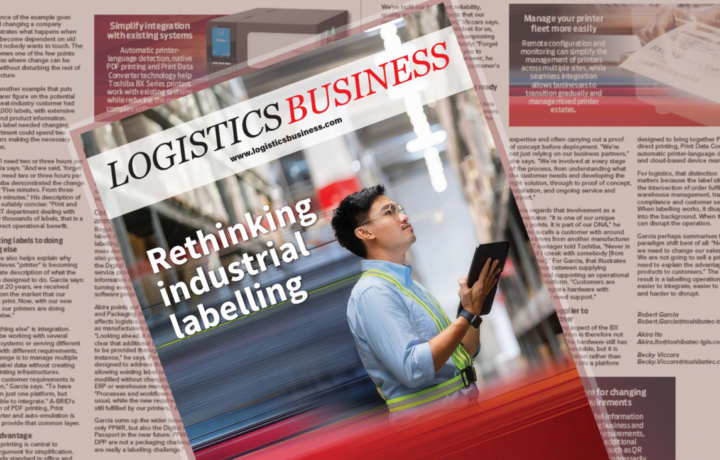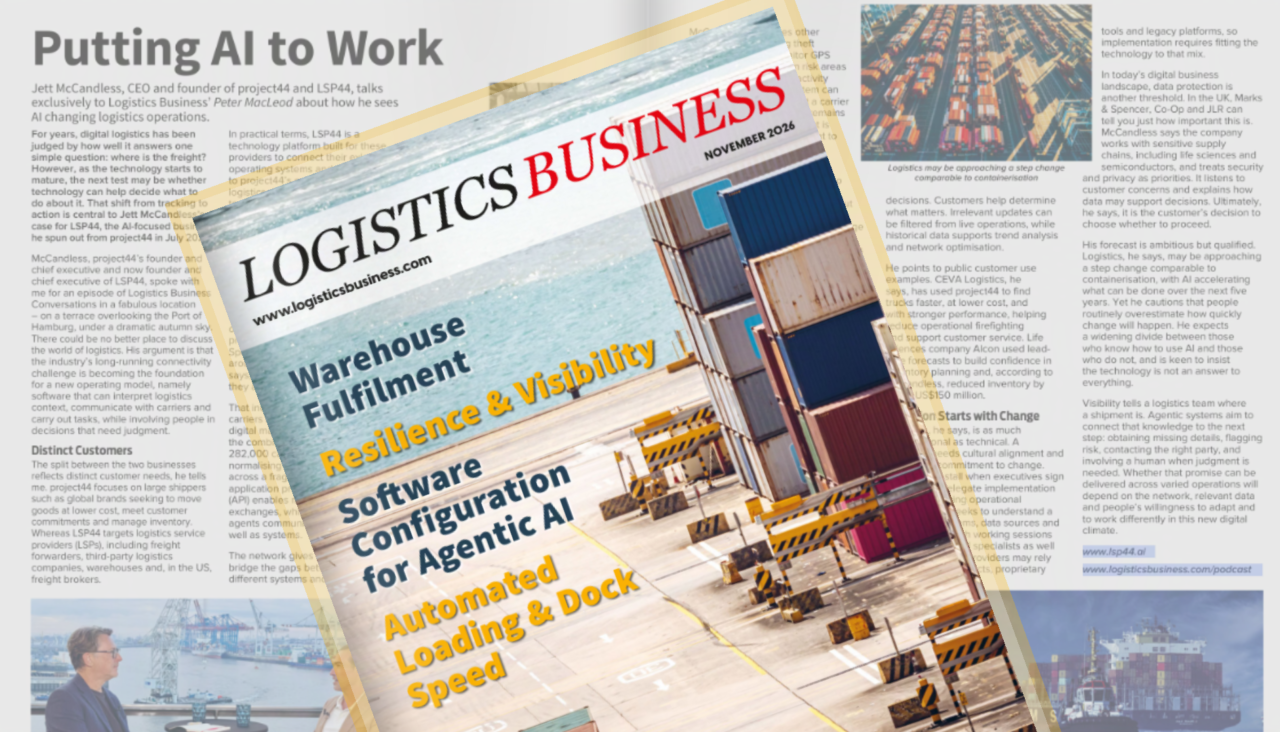
Logistics automation is moving from isolated equipment upgrades towards a broader operating model built around data, adaptability and measurable performance. That is the central theme of the November 2026 issue of Logistics Business Magazine, which examines how industrial companies are responding to disruption, labour pressure and changing fulfilment requirements.
AI moves closer to the control layer
Jett McCandless, founder of project44 and LSP44, describes a shift in logistics technology from shipment visibility to AI-assisted decision-making. The significance of that transition lies in the potential to turn operational data into action, rather than treating visibility as the final outcome. The issue frames the development as a possible turning point for the sector, comparable in scale with containerisation.
For Industry 5.0 discussions, the distinction matters. The question is not only how many processes can be automated, but how digital systems can help people and facilities respond to uncertainty. That challenge is evident in TGW Logistics’ £340 million project for Marks & Spencer’s new grocery fulfilment centre in Daventry. The facility must be designed for requirements that may evolve over time.
Scaling robotics without losing flexibility
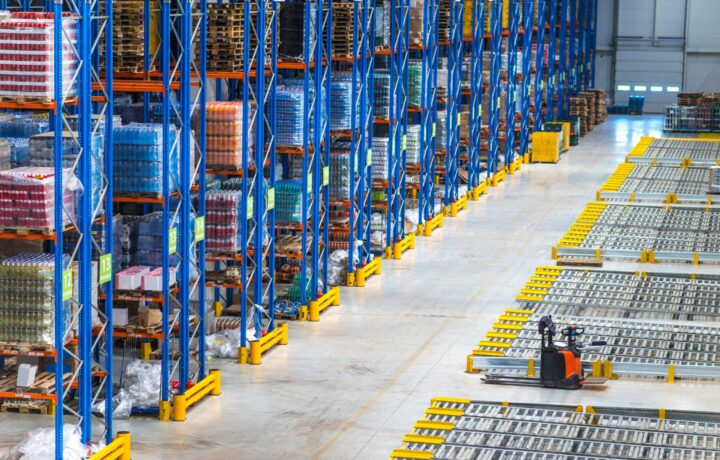
Footasylum’s project with THG Fulfil provides another example of automation at operational scale. The solution includes 85 robots and 96,000 storage locations, with reported productivity gains. Its relevance extends beyond fashion fulfilment: the project illustrates how automation programmes are increasingly judged by throughput, storage density and the consistency of day-to-day execution.
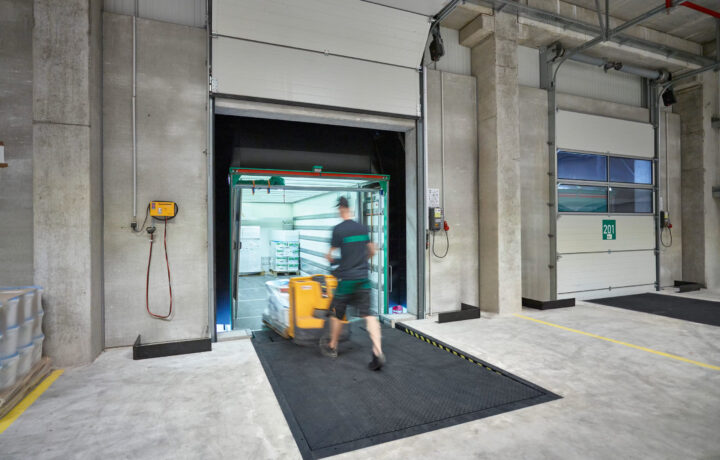
Joloda Hydraroll addresses a different constraint in the warehouse flow: trailer loading. Its technology is designed to load non-modified trailers in under 10 minutes. If deployed effectively, such systems could reduce despatch delays while avoiding a requirement for specially adapted trailers.
Resilience and sustainability become design criteria
Technology alone does not create a robust supply chain. Daniel Carrera, president of UPS Europe, Middle East and Africa, discusses why resilience must be considered alongside efficiency. Blue Yonder examines how better freight-emissions data could influence routine transport choices and make sustainability more operational rather than purely strategic.
The edition also covers autonomous mobile robots, warehouse safety, software integration, sustainable packaging and materials-handling innovation. Taken together, the topics point to a practical model of industrial digitalisation: combine automation with reliable information, safer processes and the flexibility to adapt as conditions change.