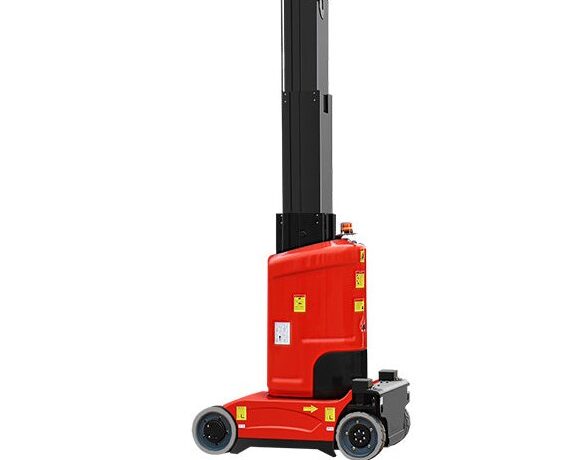
Industrial companies adopting mobile automation often face a practical integration challenge: autonomous vehicles can be managed digitally, while manual forklifts remain outside the same operational picture. BlueBotics is addressing that gap with an update to ANT locator that enables unified mission dispatch through its ANT server fleet manager.
The system continuously tracks equipped forklifts and combines their positions with information from AGVs and AMRs. Missions can then be assigned to whichever suitable vehicle is available, rather than being split between separate management systems. For factories and warehouses, the potential gains include fewer empty journeys, better fleet utilisation and a simpler path to scaling automation without removing human-operated equipment.
Integration rather than replacement
The update reflects an Industry 5.0 approach in which people and autonomous systems work within the same process architecture. A new in-cab HMI lets forklift operators communicate availability and accept tasks directly. This keeps human-driven assets inside the digital workflow while preserving flexibility in areas where full automation may not be practical.
ANT server also receives live forklift coordinates, giving it a more complete view of traffic in shared operating zones. That information can support the coordination of robots and manual trucks, reducing the likelihood of blocked routes and improving use of constrained floor space. A common dispatch layer can additionally reduce duplicated licences and simplify onboarding, maintenance and troubleshooting.
Turning movement into usable intelligence
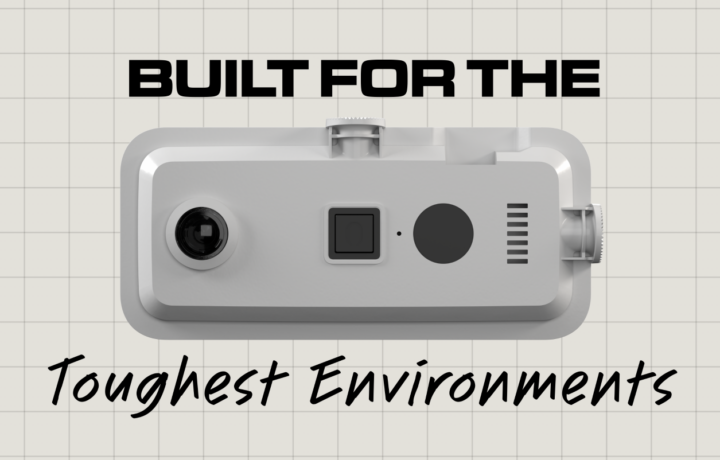
Location data has value beyond dispatch. When connected to a warehouse management, manufacturing, enterprise-resource-planning or logistics system, ANT locator can record where a pallet is picked up and where it is ultimately placed, including movements made by a manual forklift. This improves material traceability in environments without fixed robotic drop-off points.
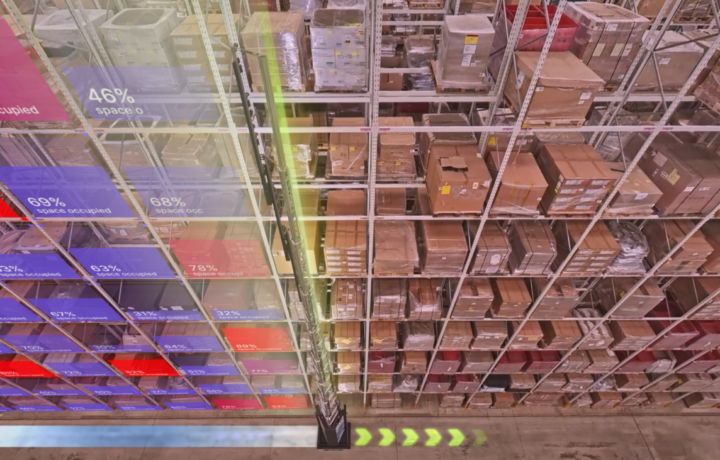
Heatmaps and analytics provide a further improvement cycle. Operators can identify recurring flows, heavily used areas and inefficient routes, then make evidence-based changes to layout or working methods. The platform can also be extended to people and other mobile assets in shared spaces, supporting a broader digital view of industrial operations.