Industry 5.0 is often discussed through the lens of adaptable production, intelligent machines and more resilient supply chains. Yet one operational interface remains comparatively difficult to standardise: the point where finished goods leave the factory or warehouse and enter a trailer.
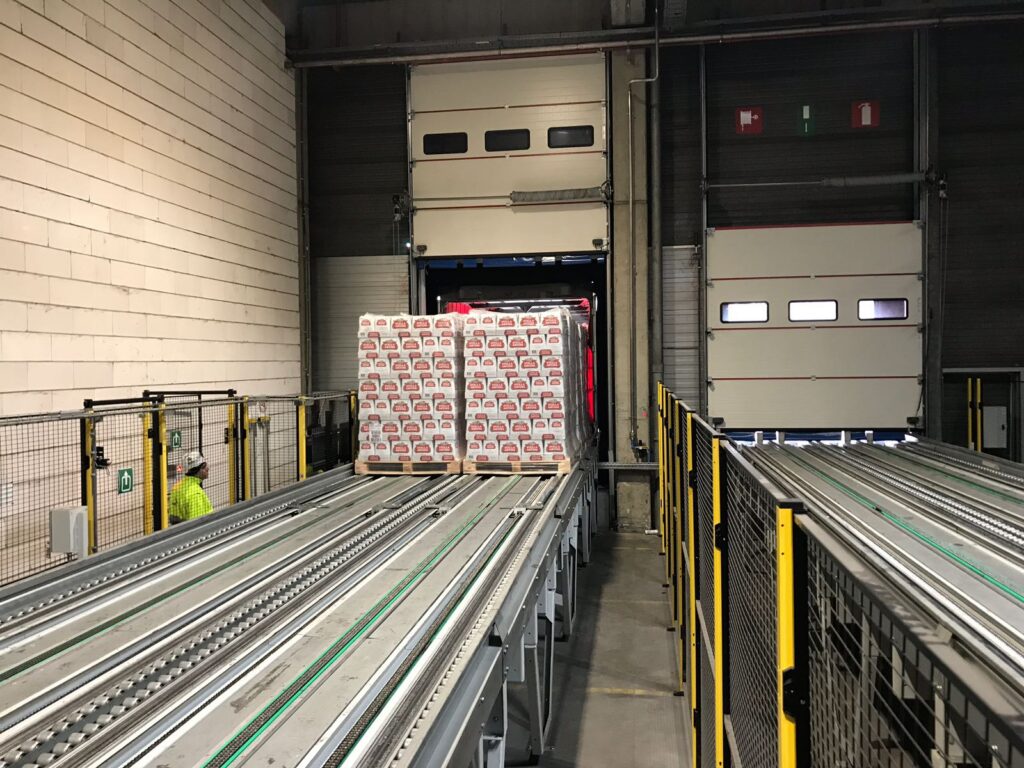
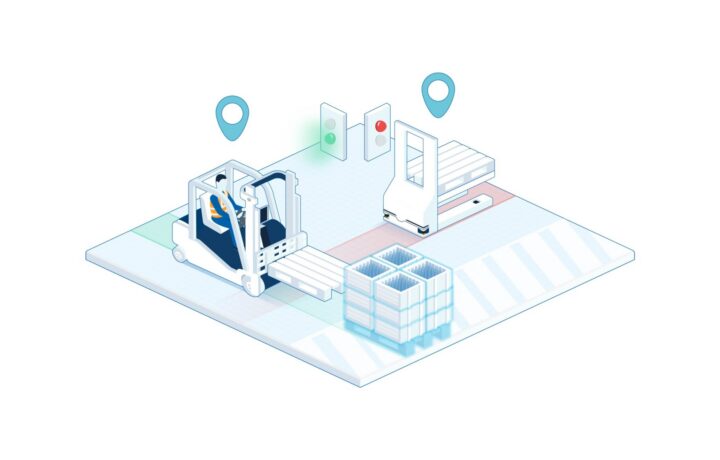
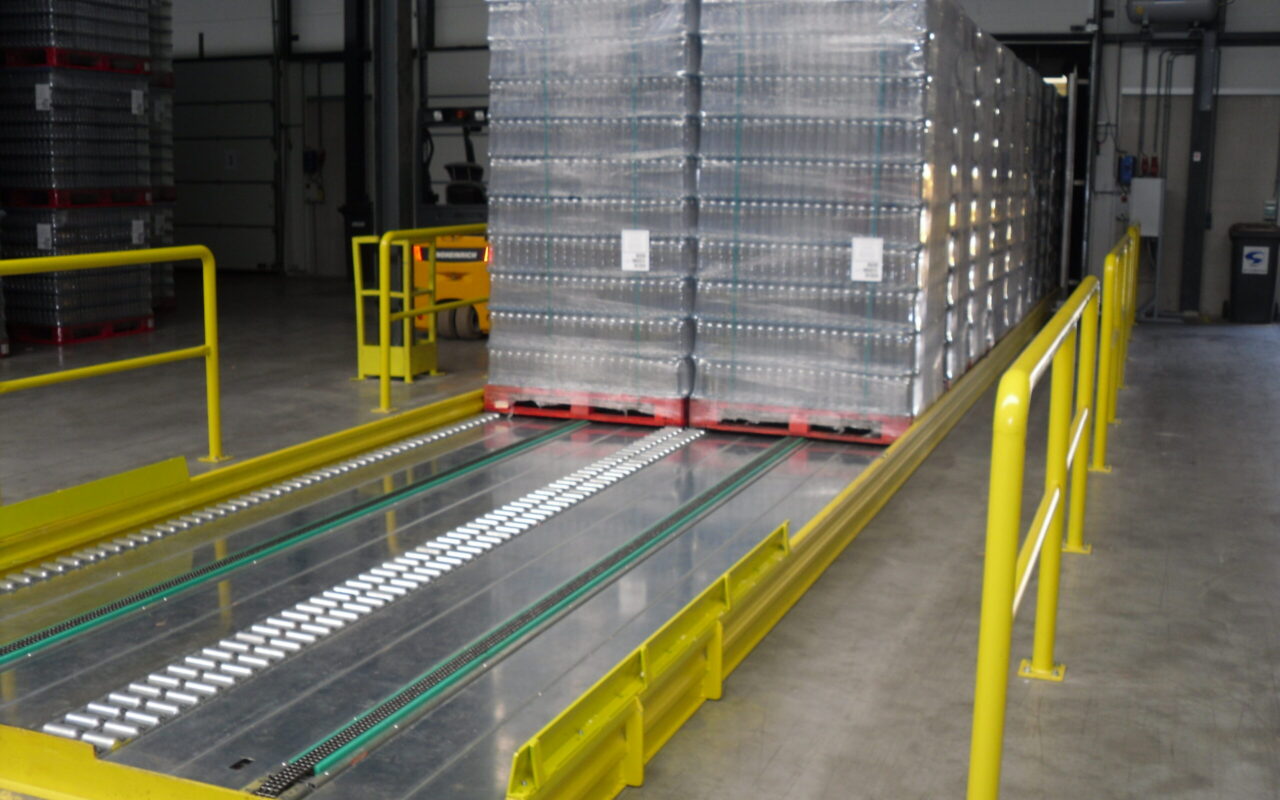
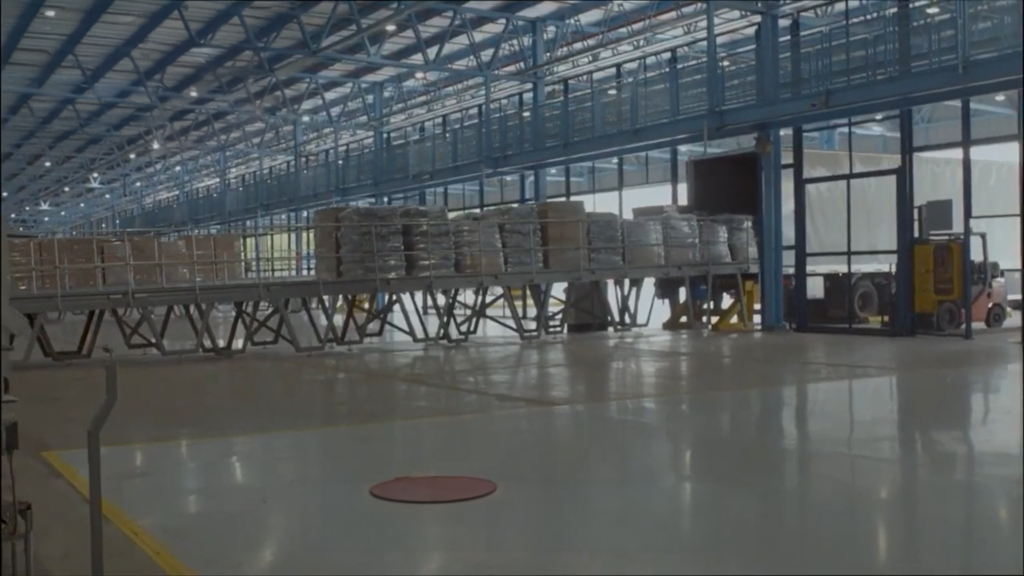
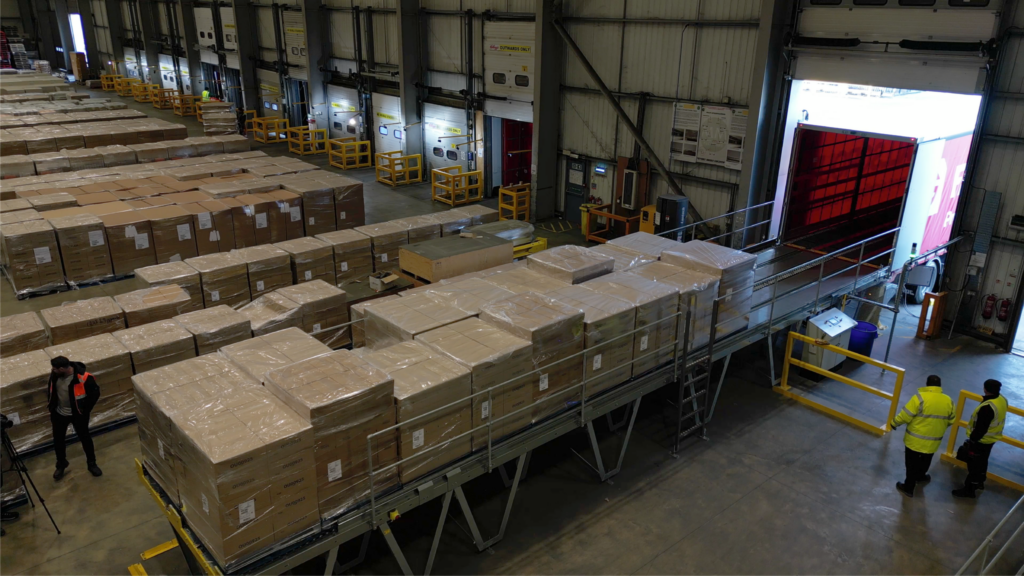
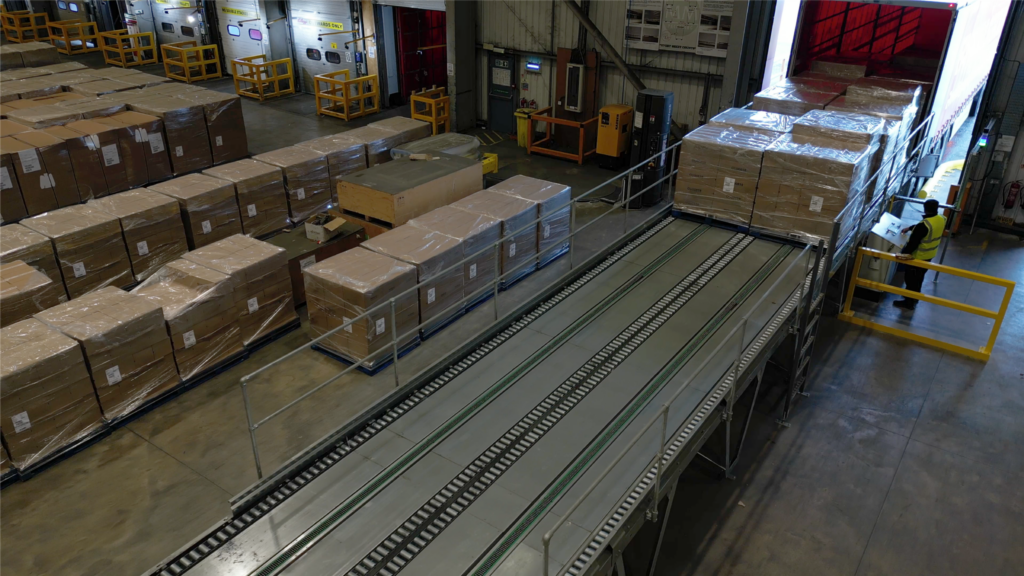
Joloda Hydraroll is addressing that interface with LoadMatic Lite, a system intended to work with automated guided vehicles while keeping them outside the trailer. An AGV delivers the pallet to the loading system, which then transfers it into a standard, unmodified trailer or container.
Automation that accepts real-world variation
This design recognises a practical limitation in industrial robotics. Distribution centres frequently depend on third-party transport operators, so trailers arrive with different dimensions, conditions and positions at the dock. Their interiors can be dirty, damp and poorly lit. Pallets also vary in quality, and some loads overhang the pallet footprint.
Joloda’s experience with trailer systems, together with the expertise gained through its acquisition of Actiw, is intended to address those variations. Rather than forcing every carrier to adopt a modified trailer, the system is designed around the equipment already used across much of the market.
The company says LoadMatic Lite can perform a one-shot load in less than 10 minutes. It compares this with a process in which two AGVs move pallets gradually into position, potentially taking around 45 minutes. The proposed integrations with AGV suppliers are non-exclusive, allowing industrial users to consider different robot platforms.
From physical flow to digital control
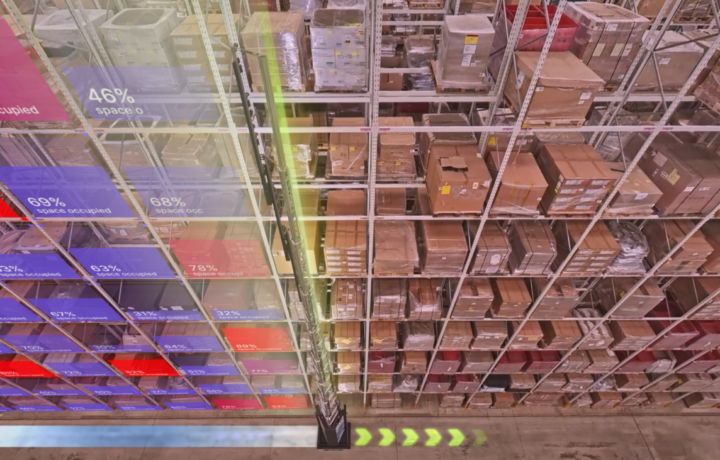
The Industry 5.0 relevance extends beyond productivity. Cameras at the dock could assess pallet geometry and damage, while IoT and RFID provide a digital trail from the end of production through warehousing and outbound distribution. Data from the loading point can connect production and logistics systems that have traditionally operated as separate silos.
That visibility can support more resilient decision-making. A damaged pallet can be flagged before dispatch rather than becoming a delivery failure or return. Better tracking also gives operators a clearer view of loading performance, bottlenecks and asset utilisation.
Joloda is demonstrating the technology at its Liverpool facility, including tests with bottled water and beverages. It reports growing activity in petrochemicals, FMCG and beverages, where high throughput makes cycle-time improvements particularly valuable.
The company operates in 34 countries, employs 350 people and has doubled turnover to £60 million over three years. It identifies labour shortages, safety requirements, fuel prices and pressure on warehouse space as further drivers for automation. In this context, the loading bay is not simply a mechanical endpoint: it is a control point for more connected and resource-efficient industrial operations.
Further technical information is available for LoadMatic Lite from Joloda.