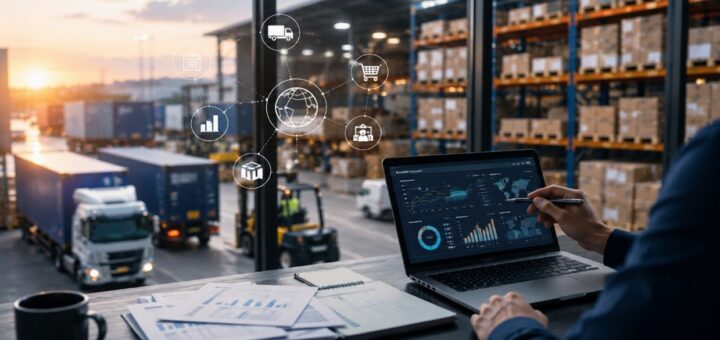
Why AI Is Becoming the Operating Layer for Resilient Logistics
AI is redefining logistics resilience by connecting sensing, prediction and human-led decisions across the industrial supply chain.


AI is redefining logistics resilience by connecting sensing, prediction and human-led decisions across the industrial supply chain.

A purpose-designed headquarters for Palletways in Fradley has received unconditional planning permission, creating a platform for operational growth and more sustainable logistics.

A joint FIATA and SIL programme in June 2027 will put digitalisation, standards and international supply-chain resilience on the agenda in Barcelona.
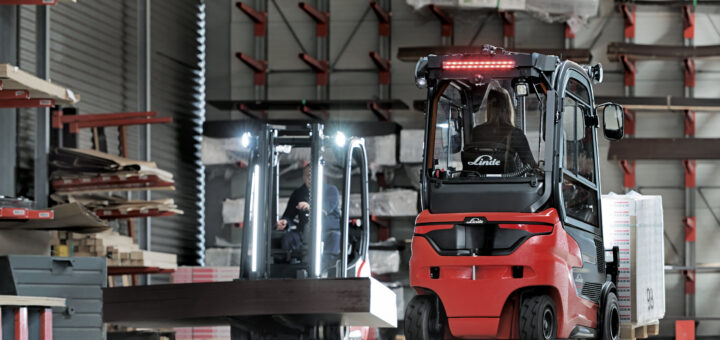
Linde Material Handling is combining digital twins, vehicle data and remote updates to make forklift fleets more adaptable to uncertain operating conditions.

Neovia’s GPS programme shows how industrial logistics can use connected returnable equipment to improve resilience, accountability and sustainability.
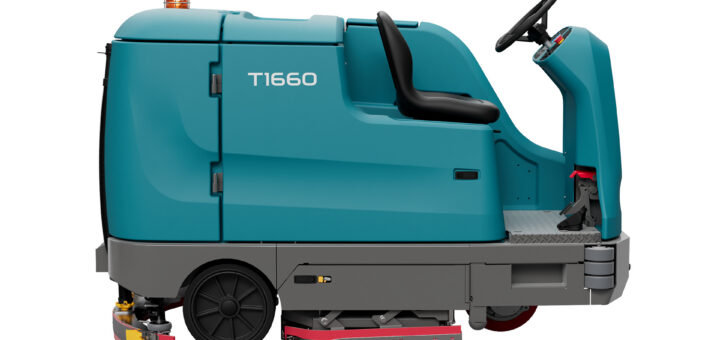
The new ride-on scrubber combines battery power, configurable cleaning hardware and simplified upkeep for industrial facilities across EMEA.
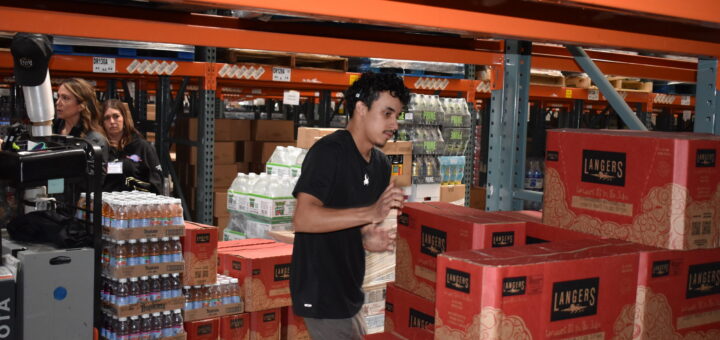
States Logistics used a phased LYDIA Voice deployment to improve accuracy, simplify onboarding and make warehouse processes easier to adapt.

DKV Mobility is adding a data and AI centre in Porto to make mobility services more integrated, scalable and faster to deploy.
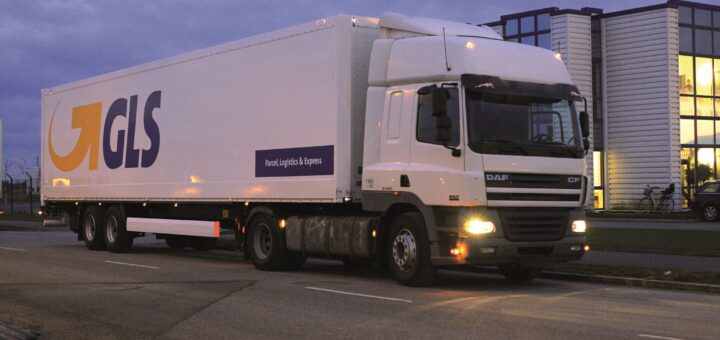
GLS is adding fulfilment to its Danish parcel operation, using scalable space and automated storage to connect inventory with distribution.
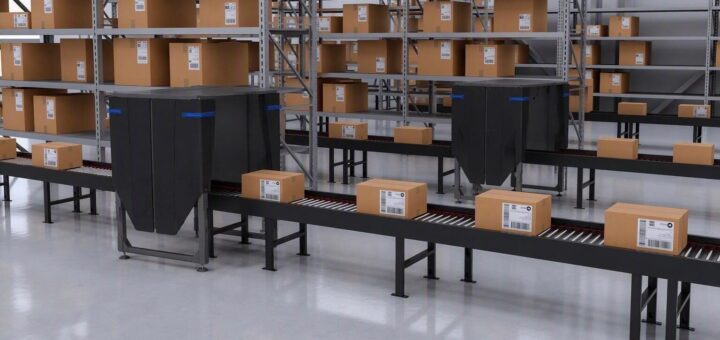
Clustag’s COS Tunnel offers a lower-disruption route to RFID automation for logistics facilities that cannot easily rebuild their conveyor infrastructure.
 AI adoption exposes a resilience gap in UK industry
 From blind spots to resilient supply chains: the case for BLE freight tracking
 Why Packaging Data Matters to the Next Generation of Fulfilment
 Embedded AI reshapes the resilient logistics control layer
 A single digital warehouse layer supports Miniclipper’s next phase