
The Industry 5.0 Case for Humanoids Starts With Ownership Data
Humanoids could support more adaptable warehouse operations, but resilient deployment requires transparent costs, human oversight and evidence from the shop floor.


Humanoids could support more adaptable warehouse operations, but resilient deployment requires transparent costs, human oversight and evidence from the shop floor.

The proposed $5.8bn acquisition of RXO shows how logistics consolidation is being tied to automation, network resilience and broader delivery capability.
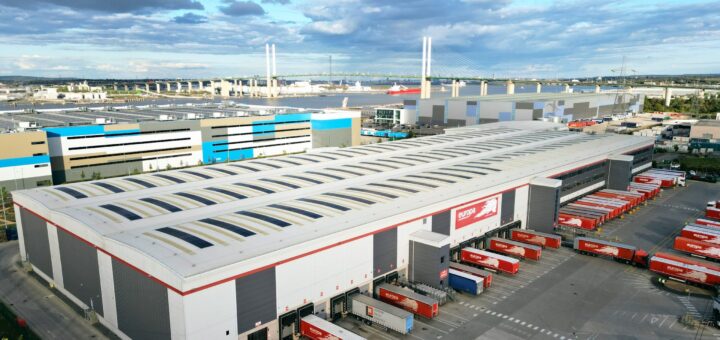
Europa’s Dartford hub is using a landlord-led solar project to reduce energy costs, limit upfront investment and make renewable power part of day-to-day logistics operations.

The changing e-commerce parcel profile is making flexibility, capacity and efficient use of space central to the next phase of sorting technology.
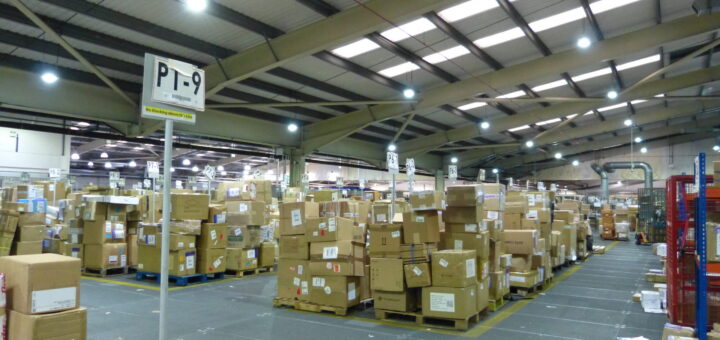
The completed FedEx Supply Chain acquisition expands CEVA’s North American network while combining warehouse scale with automation, robotics and multimodal transport.
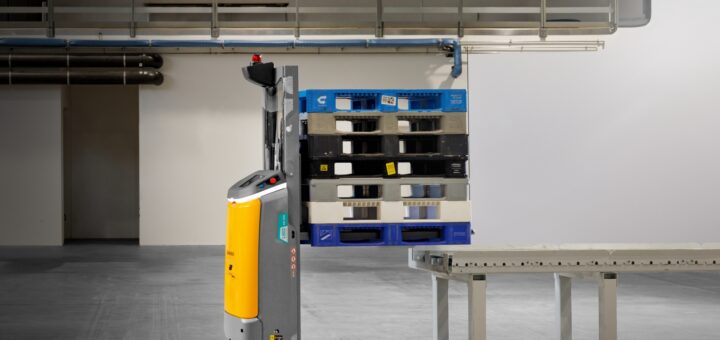
Jungheinrich’s new AMR combines pallet lifting, cross-area connectivity and an expandable software platform for industrial material flows.
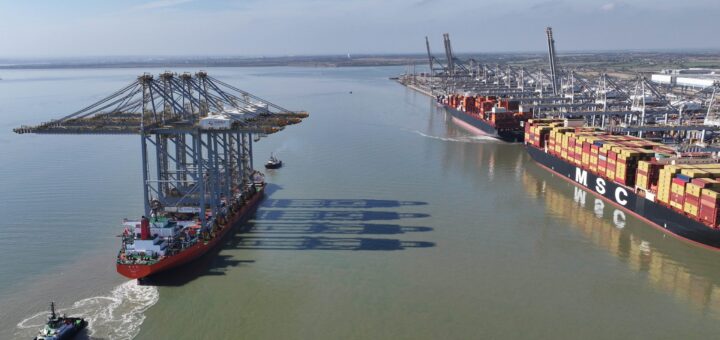
New tandem-lift quay cranes at London Gateway and Southampton show how port capacity, automation and lower-emission infrastructure are converging.
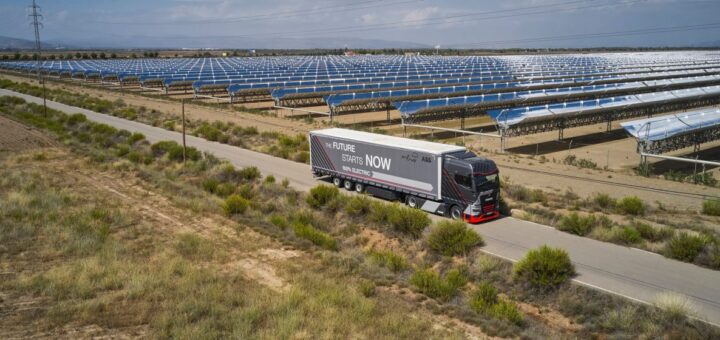
The hardest part of electric trucking is not selecting the vehicle. It is building a data-led operating system that can absorb variability and scale safely.
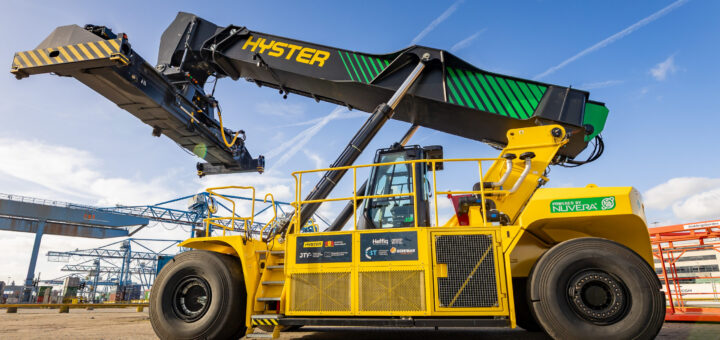
A hydrogen Hyster reachstacker is being tested at Rotterdam Shortsea Terminals as part of a wider programme combining clean equipment, modular refuelling and workforce preparation.

Kodiak’s planned driverless IKEA route in Texas shows how autonomous logistics is being developed through controlled lanes, operational data and formal safety validation.
 AI adoption exposes a resilience gap in UK industry
 From blind spots to resilient supply chains: the case for BLE freight tracking
 Why Packaging Data Matters to the Next Generation of Fulfilment
 Embedded AI reshapes the resilient logistics control layer
 A single digital warehouse layer supports Miniclipper’s next phase