


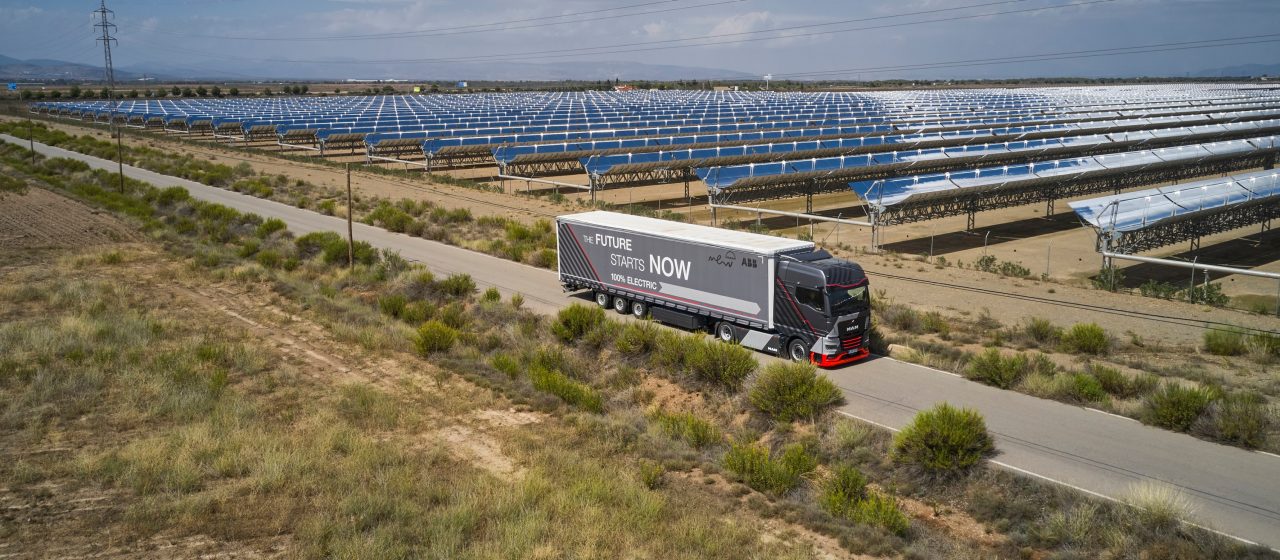
Scaling electric trucks means engineering a resilient system
The hardest part of electric trucking is not selecting the vehicle. It is building a data-led operating system that can absorb variability and…
 INDEPENDENT INDUSTRY JOURNAL
The hardest part of electric trucking is not selecting the vehicle. It is building a data-led operating system that can absorb variability and…
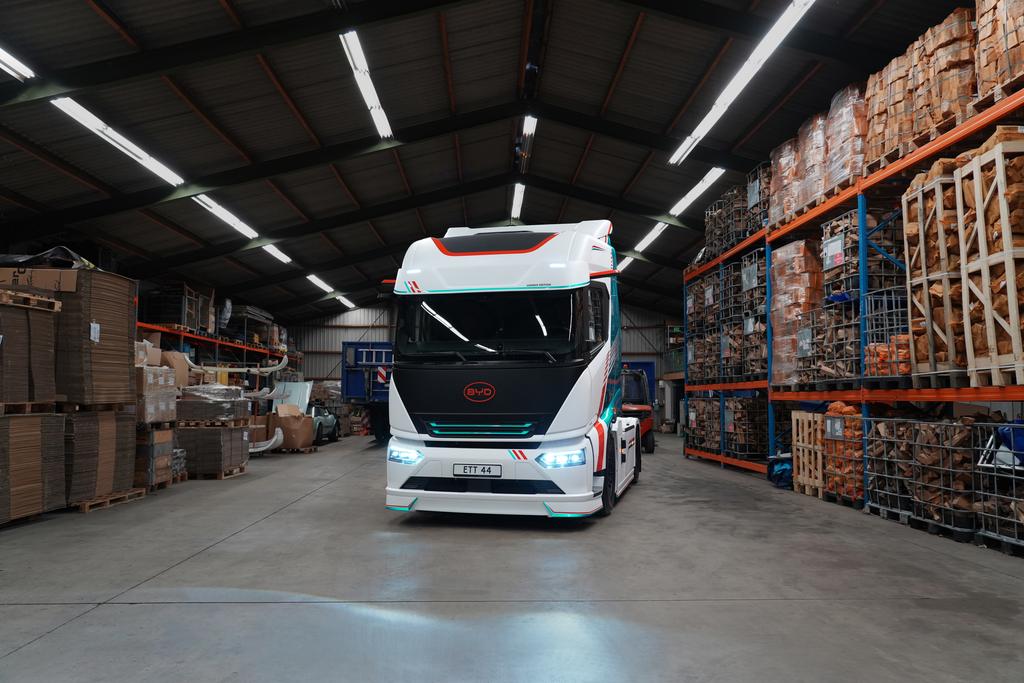
BYD’s new ETT 44 combines megawatt charging with fleet, storage and energy-management services, pointing to a systems approach to industrial decarbonisation.
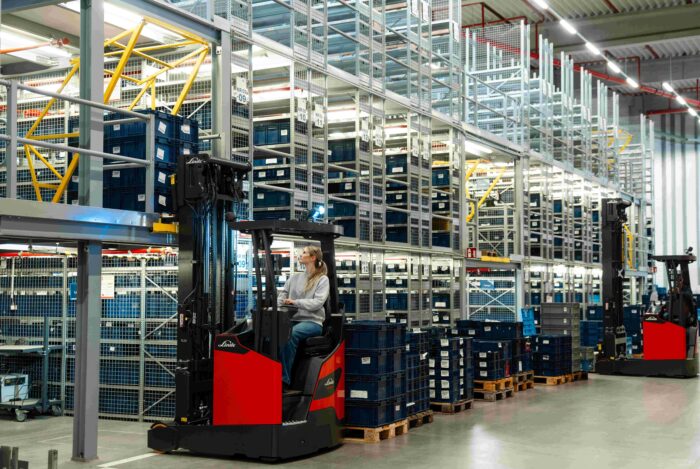
A new series of trucks from Linde Material Handling (MH) will be unveiled at LogiMAT 2026 in Stuttgart. The Linde Ri14 to…
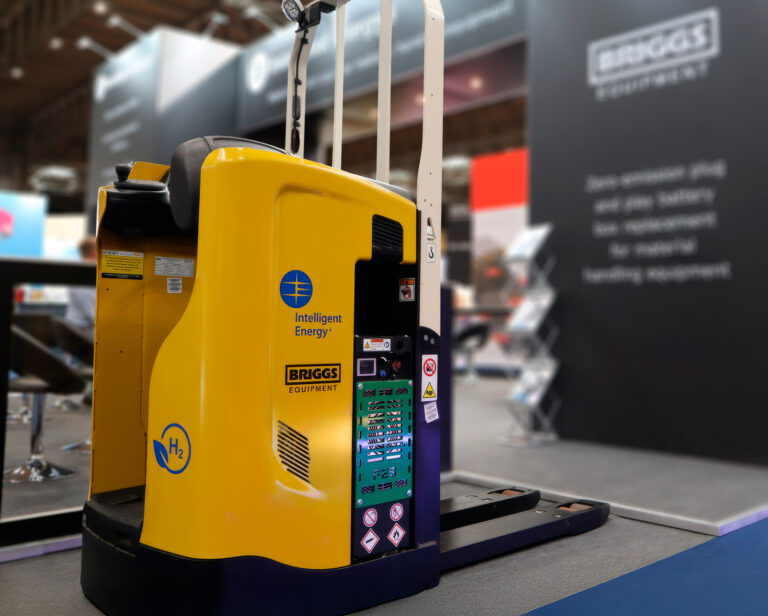
Hydrogen fuel cell developer Intelligent Energy is supporting the ‘Lighter than Aire’ (LtA) Hydrogen Valley project by powering a fleet of up…
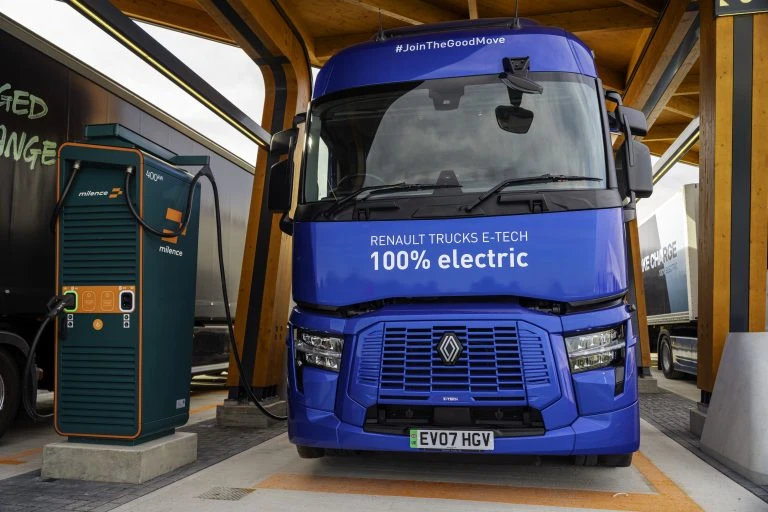
Renault Trucks is publishing an open-source map on its corporate website showing the location of public charging hubs for electric trucks in…

Yale Lift Truck Technologies has launched lithium-ion batteries with compatible chargers, specifically designed for selected Yale® pallet trucks, stackers, reach trucks, lift…
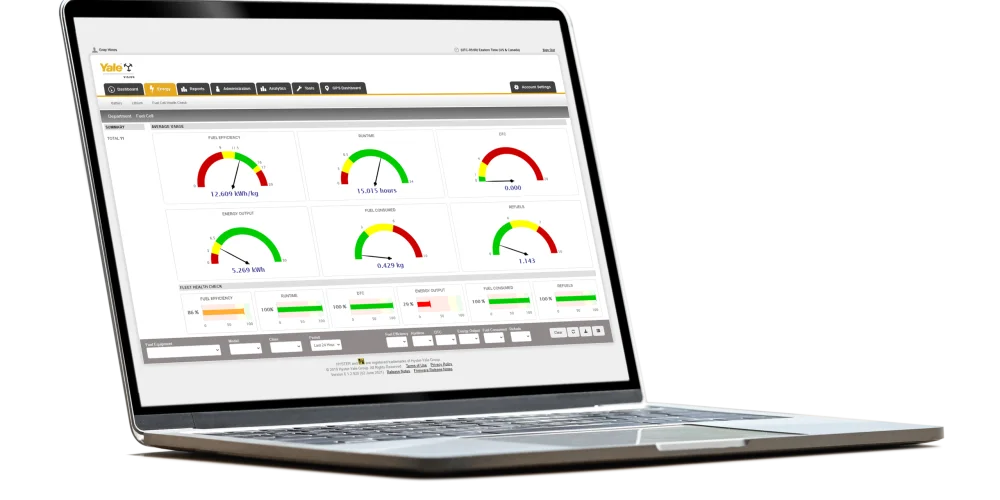
Yale Lift Truck Technologies announces that the wireless monitoring tier of the company’s Yale Vision telemetry system will now be included as standard on several…

President Donald Trump announced a new wave of tariffs on Thursday, including a 100% levy on branded or patented drug imports from…
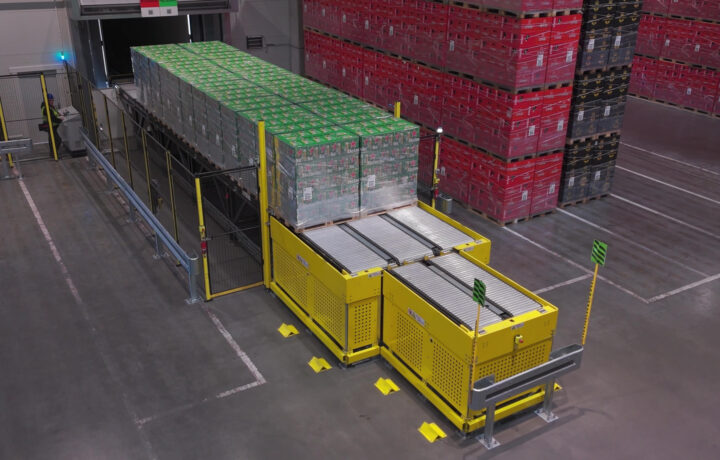
Grupa Żywiec’s Elbląg site shows how a targeted material-handling upgrade can improve speed, safety and resilience without changing the underlying transport network.
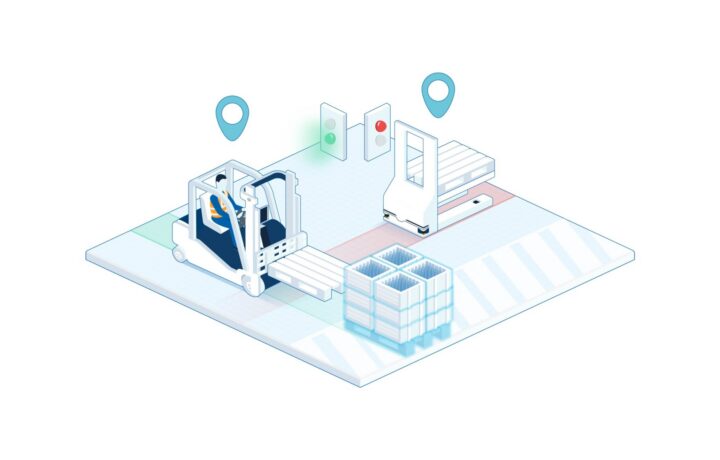
BlueBotics is extending ANT locator beyond vehicle tracking with unified dispatch for manual forklifts and autonomous mobile robots, linking physical movement to operational…
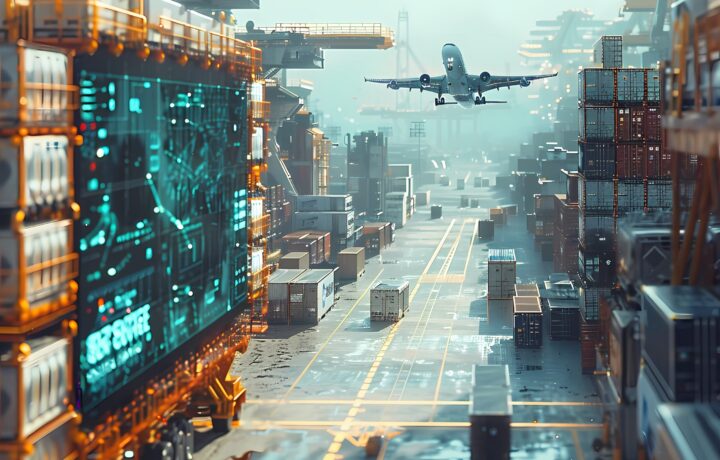
The next stage of logistics innovation will combine proactive AI, phased data integration and human oversight to build more resilient industrial networks.
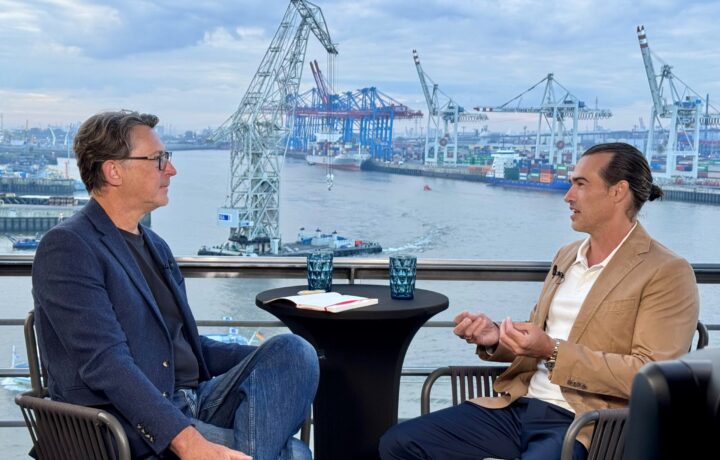
AI agents are being positioned as a bridge between fragmented transport systems and human decision-makers, with implications for resilience, inventory and operational workload.
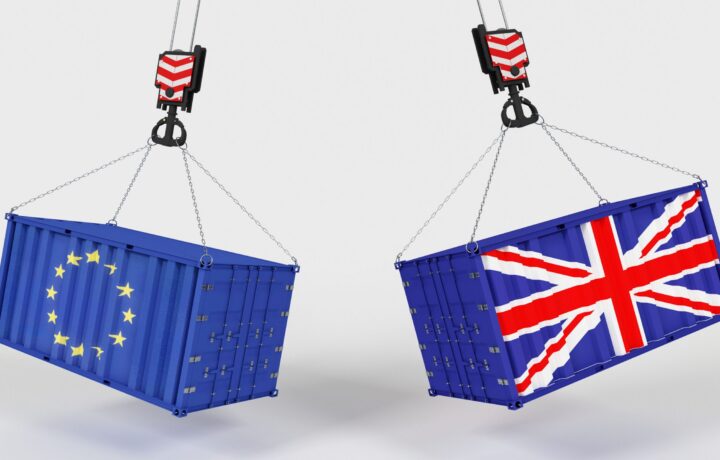
Digital customs and border systems can strengthen industrial resilience, but only when policy also addresses the mobility of scarce professional drivers.
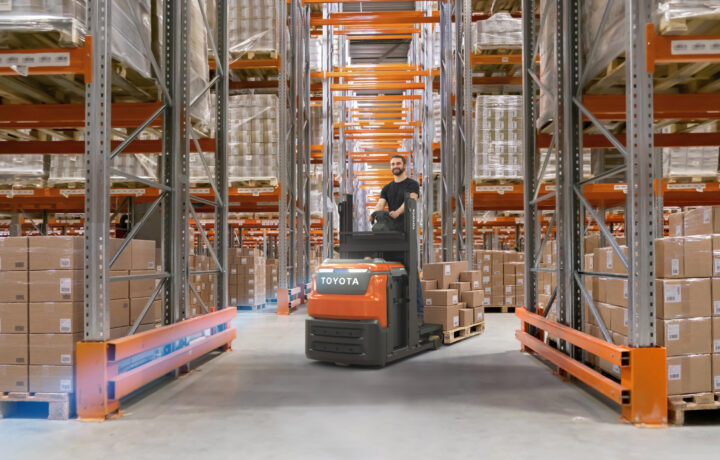
Toyota’s latest Optio and Tracto vehicles combine compact electric powertrains with features aimed at reducing energy use, fatigue and downtime in industrial logistics.
AI can optimise logistics decisions, but resilient industrial networks still depend on trained people who understand context, risk and responsibility.